
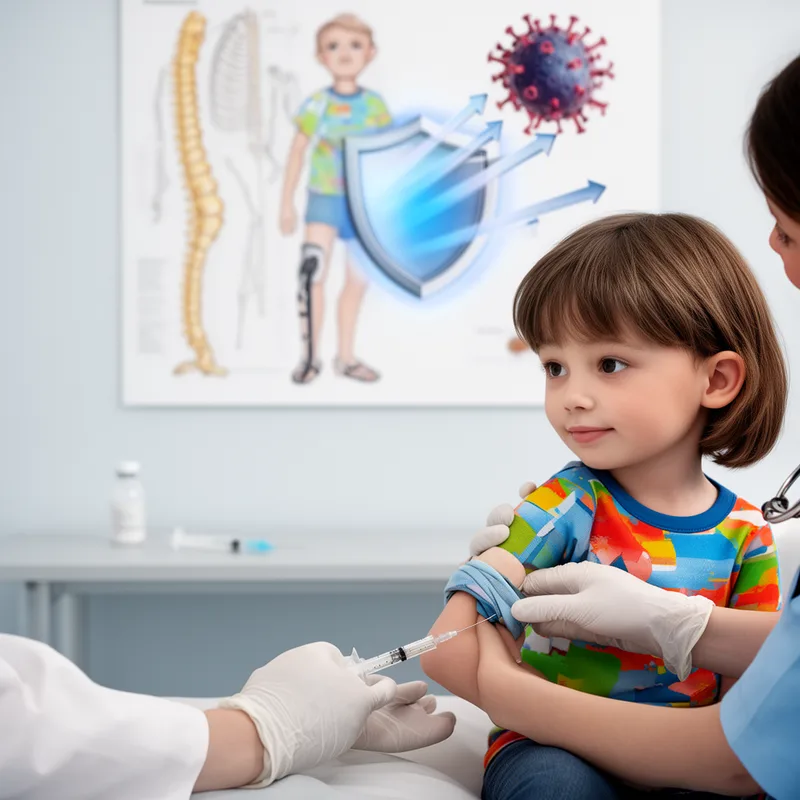
IPV


 1
4.2
1
4.2
- noun
- /ˌaɪ piː ˈviː/
- Specialized
- However, this inactivated polio virus vaccine, or IPV, didn't stop polio virus from living in our bodies and spreading to others.
- IPV vaccine
- Hib and IPV
Examples
-
IPV requires a needle and syringe (or some other injection) as well as refrigeration to remain stable.
Blog text (5) -
This is similar to how the OPV used to be the #1 polio vaccine in the U.S. until wild type infections decreased to the point that the risks from OPV were no longer justified, so we switched to IPV.
Blog text (5) -
IPV is more expensive, but cannot become pathogenic under any circumstances.
Blog text (5) -
IPV is not as effective; it only benefits the vaccinee, as you mentioned, but does not carry the risk of VAPP.
Blog text (5) -
All children were seropositive for the three serotypes of poliovirus after two doses of IPV at 4 and 6 months.
Academic text (1996) -
The Hib and IPV vaccines were each given as 0.5 mL doses.
Academic text (1996) -
The IPV is crucial for children to develop immunity against poliomyelitis.
-
Parents are encouraged to ensure their children receive the IPV on schedule.
-
After receiving the IPV, some patients may experience mild side effects, such as soreness at the injection site.
Synonyms
 1
3.3
1
3.3
A vaccine made from killed polio virus given by injection to prevent polio
A shot that protects people from polio
Surface Forms
Etymology
IPV stands for inactivated polio vaccine, and inactivated means 'made inactive' or 'killed' so the virus cannot cause disease. So IPV is a shot that uses a killed polio virus to give the body 'protection' against polio.