
Hygrophorus sordidus
- noun
- Specialized
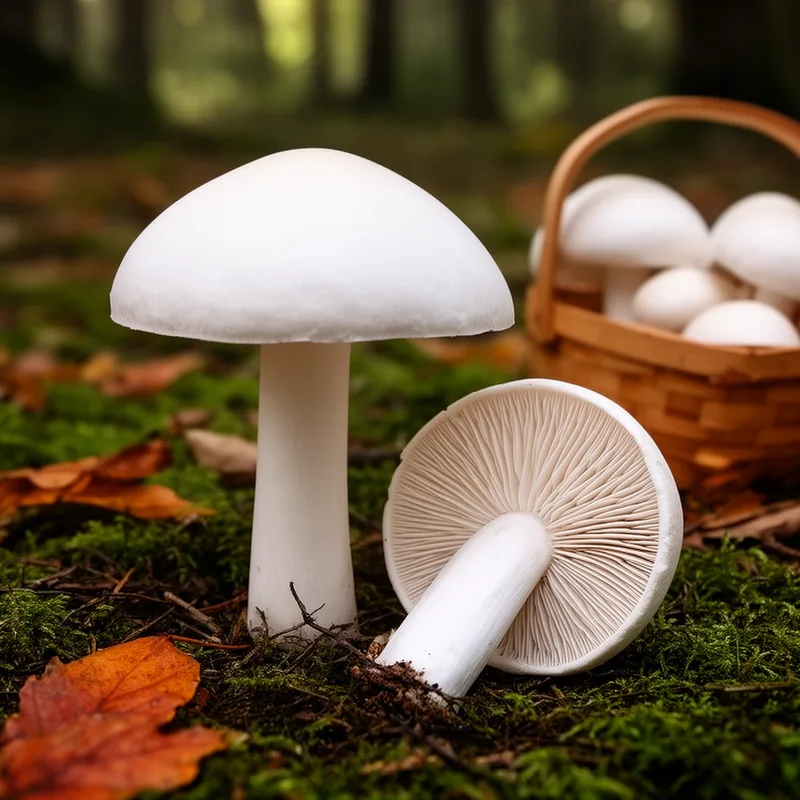
- The white cap and dry stalk are distinguishing features of Hygrophorus sordidus.
Examples
-
Some chefs prize Hygrophorus sordidus for its delicate flavor in soups and sautés.
-
Foragers often look for Hygrophorus sordidus in moist woodland areas during the autumn.
-
The Hygrophorus sordidus is known for its large white cap.
-
Have you ever tried cooking with Hygrophorus sordidus?
-
Foragers often look for Hygrophorus sordidus in moist woodland areas during the autumn.
-
Some chefs prize Hygrophorus sordidus for its delicate flavor in soups and sautés.
-
The white cap and dry stalk are distinguishing features of Hygrophorus sordidus.
Surface Forms
Morphology
Hygrophorus + sordidus
This is a Latin binomial scientific name where the parts function as taxonomic labels rather than a compositional English phrase; 'Hygrophorus' is a genus name and 'sordidus' is a Latin epithet (not a common English word), so a B1 learner who knows the listed constituents would not be able to derive the meaning 'a species of edible mushroom'. Scientific names are language-specific labels and do not follow ordinary compositional patterns, making the expression non-transparent for typical learners.
Etymology
The name Hygrophorus sordidus comes from old Greek and Latin words: hygro means 'wet' and phorus means 'carrying', while sordidus means 'dirty' or 'dull'. So the name paints a picture of a mushroom that likes damp places and can look a bit dull or dirty, which fits this white-capped woodland mushroom people gather to eat.

