
Hygrophorus borealis
- noun
- Specialized
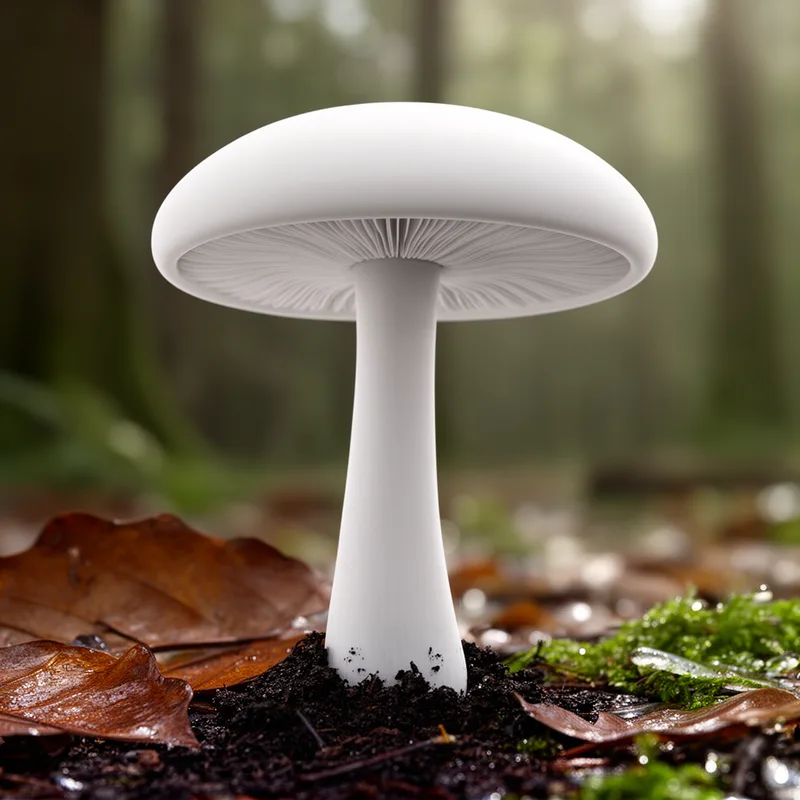
- We identified Hygrophorus borealis by its distinctive white cap and tapered stalk.
Examples
-
The scientist collected samples of Hygrophorus borealis from the damp forest floor.
-
The Hygrophorus borealis is often found in coniferous forests.
-
Mushroom enthusiasts often seek out Hygrophorus borealis during the autumn months.
-
Have you seen a Hygrophorus borealis before?
-
Mushroom enthusiasts often seek out Hygrophorus borealis during the autumn months.
-
The scientist collected samples of Hygrophorus borealis from the damp forest floor.
-
We identified Hygrophorus borealis by its distinctive white cap and tapered stalk.
Surface Forms
Morphology
Hygrophorus + borealis
This is a scientific binomial: knowing 'Hygrophorus' (a genus of fungi) plus 'borealis' (Latin/derived adjective meaning 'northern') allows a learner to infer it is a northern species of the Hygrophorus genus. However, the specific morphological description in the dictionary entry (cap shape, gills, stalk) cannot be derived from the parts, and understanding the taxonomic naming convention requires some prior exposure, so the relation is only partially transparent.
Etymology
Hygrophorus borealis comes from the parts Hygrophorus (from old words meaning 'wet' and 'to carry') and borealis (Latin for 'northern'). So think of it as a 'moist-carrying' mushroom from the north, which helps you remember it is a damp-loving, pale mushroom often found in northern forests.

