
Hora


 1
9.9
- proper noun
- Literature
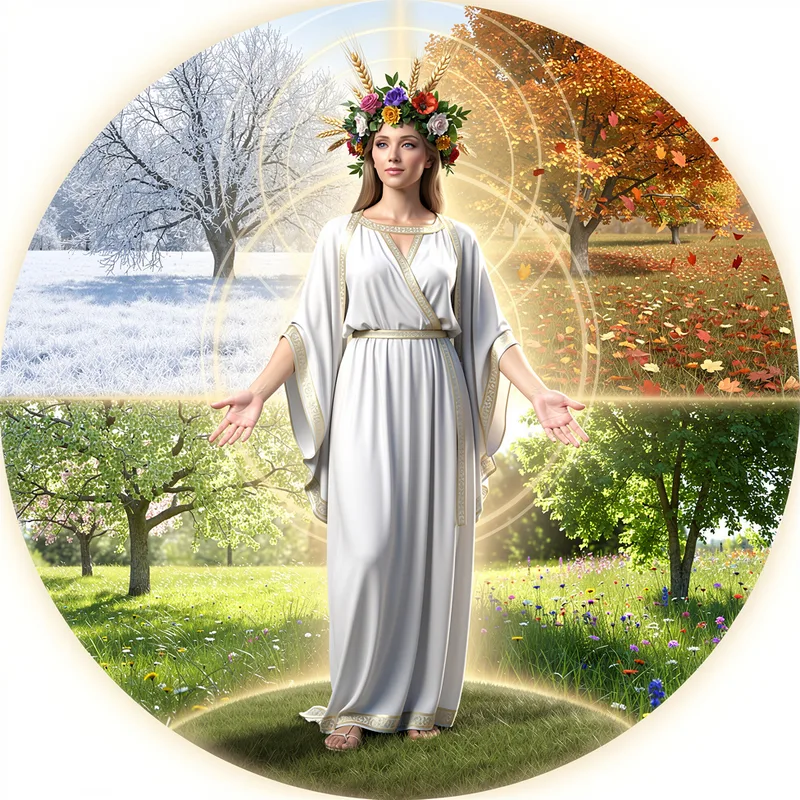
- In Greek mythology, the goddess Hora represents the changing of the seasons.
Examples
-
According to legend, Hora was one of the Horae who controlled the seasons.
-
The ancient Greeks worshipped Hora as a symbol of the natural order.
-
Think any of these band could play the Hora?
-
Ladies and gentlemen... ..."Hora Staccato." - Darling.
-
Hora de España was a literary and artistic monthly publication of essays, poetry, and criticism 'in the service of the people's cause.'
Academic text (2018) -
(11.) Jose Bergamin, 'Discurso', Hora de España 8 (1937): 30-36, here 31.
Academic text (2018) -
A court decision has ruled that La Hora infringed on the government's constitutional right to protection from "the dissemination of inexact or unproven information," according to IPI, for the paper's 10 October report on the administration spending "over US $71 million on official advertising since January."
Blog text (17) -
Balkanic terms like horo and hora have a difficult etymology (Poruciuc 1992, 18), but they are obviously related to the ancient Greek khoros 'dance, group of dancers, place for dancing.'
Academic text (2000) -
Four months after the publication of Bergamin's denunciation of Hamletism in Hora de España, Shakespeare's Hamlet was staged in Valencia.
Academic text (2018) -
J. B. Tanko's Asfalto Selvagem (1964) was based on the folhetim that Rodrigues had published in the Carioca daily Ultima Hora in 1959 and 1960.
Academic text (2000)
Synonyms
 7
5.4
A woman who is a god in ancient Greek stories
Surface Forms
Etymology
Hora comes from an old Greek word hora that meant 'hour' or 'season', the same root as the English word hour. Because of this, Hora became the goddess of the seasons and the natural order, a figure who watches over the passing of time.