

Hertha


 1
9.9
- proper noun
- Literature
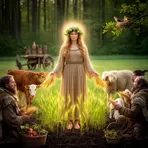
- In Teutonic mythology, Hertha is revered as the goddess of fertility and nature.
Examples
-
According to legend, Hertha symbolizes the earth's bounty and abundance in agriculture.
-
Many ancient cultures worshipped Hertha for her blessings on crops and livestock.
-
Which probably meant that Hertha had not been busy with another client when I arrived.
Fiction book (1992) -
Frank went with his mother, and the daughter lives with their father. How long have Hertha and Frank been married?
Fiction book (1992) -
"You been taking psychic lessons from Hertha or something?"
Fiction book (1992) -
"Who wishes to contact one of the departed?" Hertha asked in her normal voice.
Fiction book (1992) -
"How did you know?" Hertha only smiled and turned to me.
Fiction book (1992) -
Next weekend's game against Hertha should give us a better idea of where Hamburg stands this season.
Blog text (3) -
Archy, Hertha Gloriana is with me, and she'd like to speak to you." "Sure," I said.
Fiction book (1992) -
I concluded with a brief report on my most recent meeting with Hertha Gloriana and Meg Trumble.
Fiction book (1992)
Synonyms
 1
9.9
A goddess of ancient German tribes who brings good crops and new life
Surface Forms
Etymology
The word Hertha comes from an old name for the land, like earth ('land' or 'ground'), so she was seen as a mother of life and growth. Because of this 'mother earth' idea, later writers often linked Hertha to the Norse god Njord, who is also connected with fertility and the sea.