
Haggai


 1
9.9
- proper noun
- /ˈhæɡaɪ/
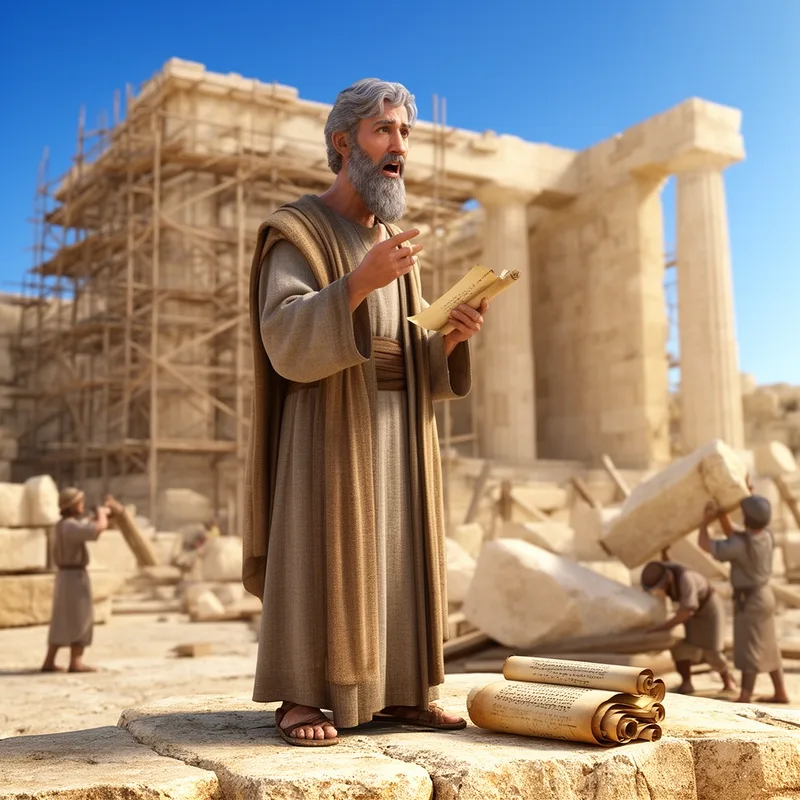
- Haggai is a book in the Old Testament that focuses on the rebuilding of the Temple after the Babylonian Captivity.
Examples
-
Many scholars have studied the Book of Haggai to understand its historical context.
-
The Book of Haggai emphasizes the importance of rebuilding the Temple.
-
Haggai is one of the shortest books in the Old Testament, containing only two chapters.
-
In his sermon, the pastor referenced Haggai to emphasize the importance of fulfilling one's promises.
-
In Haggai, the prophet encourages the people to restore their faith.
-
The Book of Haggai contains prophecies that encourage the Jewish people to restore their faith during difficult times.
-
Many theologians explore the teachings in Haggai to gain insight into post-exilic Judaism.
Synonyms
An Old Testament book with Haggai's messages about rebuilding the Temple
A book in the Old Testament with prophecies about rebuilding the Temple
Compounds
- Literature
An Old Testament book with Haggai's messages about rebuilding the Temple
Surface Forms
Etymology
Haggai comes from the Hebrew root chag meaning 'festival' or 'feast', so the Book of Haggai is named for a man whose name means 'my festival'. That's why this short book focuses on rebuilding the Temple, a place for festivals, and the name helps you remember its connection to worship.