
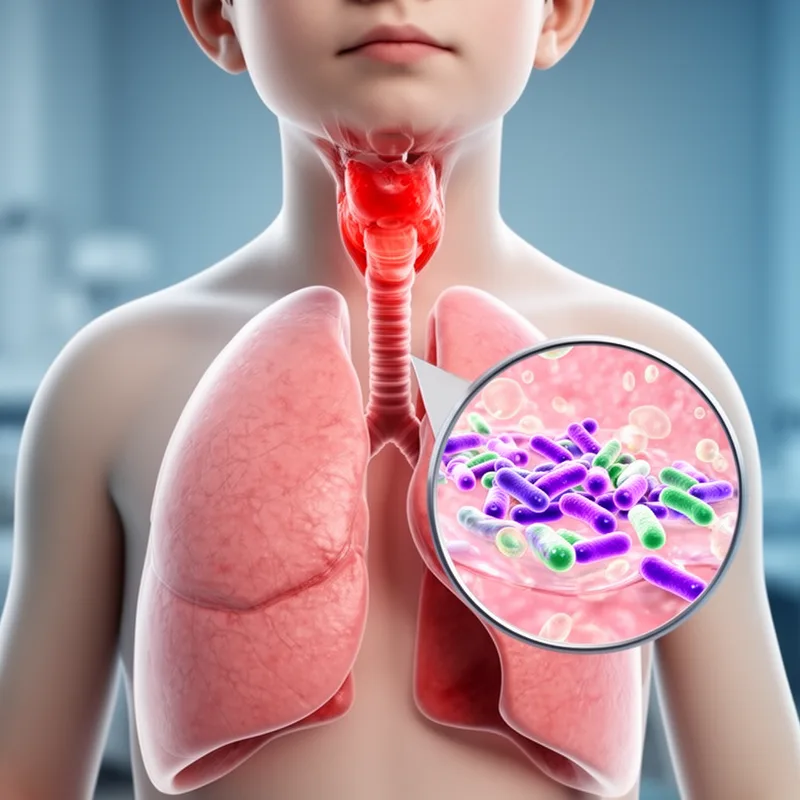
Haemophilus


 1
9.6
- proper noun
- /hiːˈmɒfɪləs/
- Specialized
- So the first Organism to be sequenced was the was a bacteria Hemophilus influenza.
- Haemophilus influenzae
- Haemophilus influenzae type
- Haemophilus influenzae type b
Loading YouTube…
Watch on YouTubeSo the first Organism to be sequenced was the was a bacteria Hemophilus influenza.
- So the first Organism to be sequenced was the was a bacteria Hemophilus influenza.
Examples
-
Both consensus statements (both level V) recommended the use of dexamethasone only in Haemophilus influenzae meningitis.
Academic text (2006) -
The five children were infected with a bacterial infection known as Hib: Haemophilus influenzae type b.
Blog text (10) -
Figure 1. Structure of Haemophilus influenzae type b (Hib) simulation model. Persons are born into the no-antibody, disease-susceptible state and can die in any of the model states.
Academic text (2012) -
Demographic characteristics of Aboriginal and non-Aboriginal groups studied for antibodies against Haemophilus influenzae type A, Thunder Bay region, northwestern Ontario, Canada, 2010-2012.
Academic text (2015) -
Jiang et al. also found that S. viridans was the most common isolated bacteria, followed by Klebsiella pneumoniae, Proteus mirabilis, and Haemophilus parainfluenzae.
Academic text (2003) -
The normal flora may include streptococci and staphylococci among the gram-positive organisms, and Haemophilus influenzae, Neisseria species, and Moraxella species among the gram-negatives.
Academic text (2005) -
The specialists on humans are commensal opportunists such as staph and Endococtus fecalis, Hemophilus influenzae and strep.
-
Among children with AOM, competitive associations were found between Haemophilus influenzae and S. pneumoniae and between H. influenzae and M. catarrhalis; rates of colonization with H. influenzae were higher.
Academic text (2012) -
The Haemophilus influenzae type b bacteria is known for causing severe respiratory infections in children.
-
Researchers are studying how Haemophilus can lead to complications in patients with weakened immune systems.
Synonyms
 1
9.4
A type of bacteria that can cause lung infections such as pneumonia in people
Compounds

- Specialized
1
7.9
A type of bacteria that can cause serious infections, especially in children
Surface Forms
Etymology
Haemophilus comes from Greek parts haemo- meaning 'blood' and -philus meaning 'loving', so it literally means 'blood-loving'. That's why the name is used for a group of bacteria that need parts of blood to grow and can cause respiratory infections in people.