
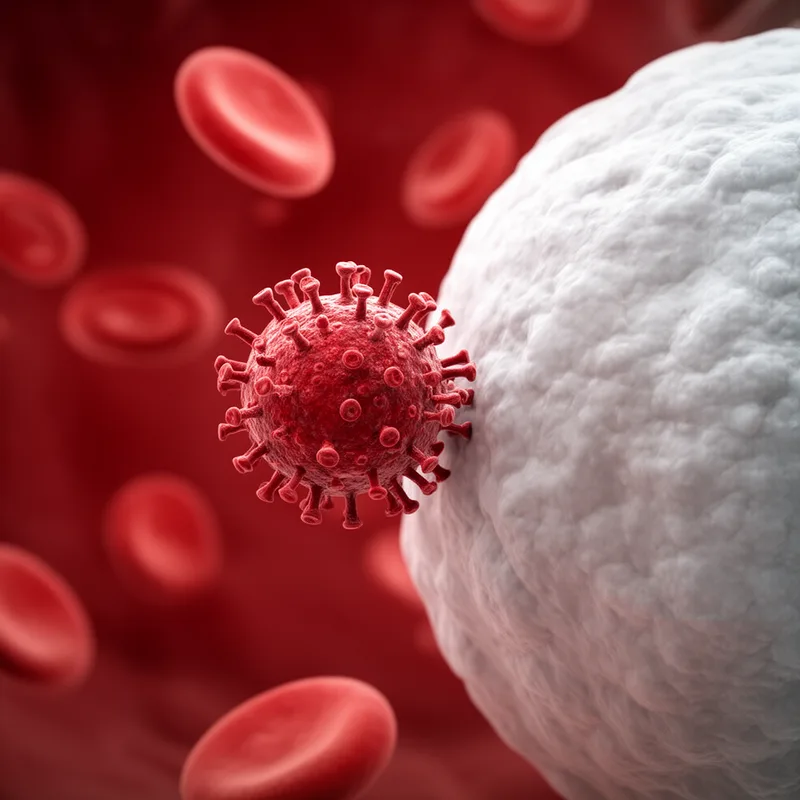
HIV
 536
3.3
536
3.3

- noun
- /ˌeɪtʃ aɪ ˈvi/
- And when was the last time that you were tested for HIV?
- HIV-positive
- HIV-negative
- HIV infection
Loading YouTube…
Watch on YouTubeYou're putting yourself at risk for catching HIV and and hepatitis.
- You're putting yourself at risk for catching HIV and and hepatitis.
- What does life beyond an HIV diagnosis look like?
- NHMA AMD asks how could people with HIV live a healthy lifestyle?
- We combat and prevent HIV and AIDS.
- But diabetes kills more people than breast cancer and HIV AIDS combined.
- In the next session, we'll speak about HIV.
- That's the current understanding of the origin of HIV.
- You know, someone with TB HIV has been sick for weeks and months.
- Why should HIV avoid non drug using prostitutes?
- And GlaxoSmithKline found that it did kill HIV virus.
Examples
-
And he talked about dealing with HIV, AIDS in Africa.
-
Research has shown that interventions must have a comprehensive HIV/AIDS education and intervention strategy to achieve maximum impact.
Academic text (2011) -
By that time, the battle against HIV would already have been lost.
-
On what basis then, does HIV still exist?
-
Do you feel that you need to have another HIV test?
-
Did she get HIV, too?
-
What does life beyond an HIV diagnosis look like?
-
Their commitment to preventing the further spread of HIV in their country is inspiring.
Academic text (2011) -
Ukraine has experienced a dramatic and rapid rise in HIV infections, fueled initially by injection drug users.
Academic text (2011) -
The healthcare worker provided information about preventing the transmission of HIV.
Synonyms
 1
3.4
1
3.4
A virus that attacks the body's defence system by destroying important immune cells and causes AIDS
Surface Forms
Etymology
HIV is a short form made from the first letters of Human, Immune, Deficiency, and Virus. That name is a helpful memory: it tells you this virus attacks the body's 'immune' system and causes an 'immune deficiency', which is why HIV can lead to AIDS.