

Gymnogyps
- noun
- /dʒɪmˈnoʊdʒɪps/
- Specialized
- The Gymnogyps genus consists solely of the California condor, making it monotypic.
Examples
-
Scientists are studying genetic diversity within the Gymnogyps population to aid in its recovery.
-
Recent conservation efforts focus on preserving Gymnogyps californianus in the wild.
-
The Gymnogyps is critically endangered.
-
Many researchers study the Gymnogyps to understand its habitat.
-
Conservationists are dedicated to protecting Gymnogyps californianus to prevent its extinction.
-
Efforts to increase the number of Gymnogyps in the wild have shown promising results.
-
The Gymnogyps species is known for its impressive wingspan, making it one of the largest flying birds.
Compounds
- Specialized
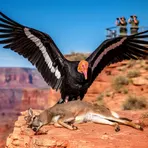
A very large North American bird that eats dead animals and is nearly extinct in the wild
Surface Forms
Morphology
Gymnogyps = gymno + gyps
A specialized taxonomic name formed from Greek combining forms; the components are not productive modern English morphemes for most learners, so the meaning cannot be derived by a B1 learner.
Etymology
Gymnogyps comes from two Greek parts, gymno- meaning 'naked' and gyps meaning 'vulture'. This name points to the condor's bare head, so Gymnogyps is the name for the large New World vulture that includes the California condor.

