
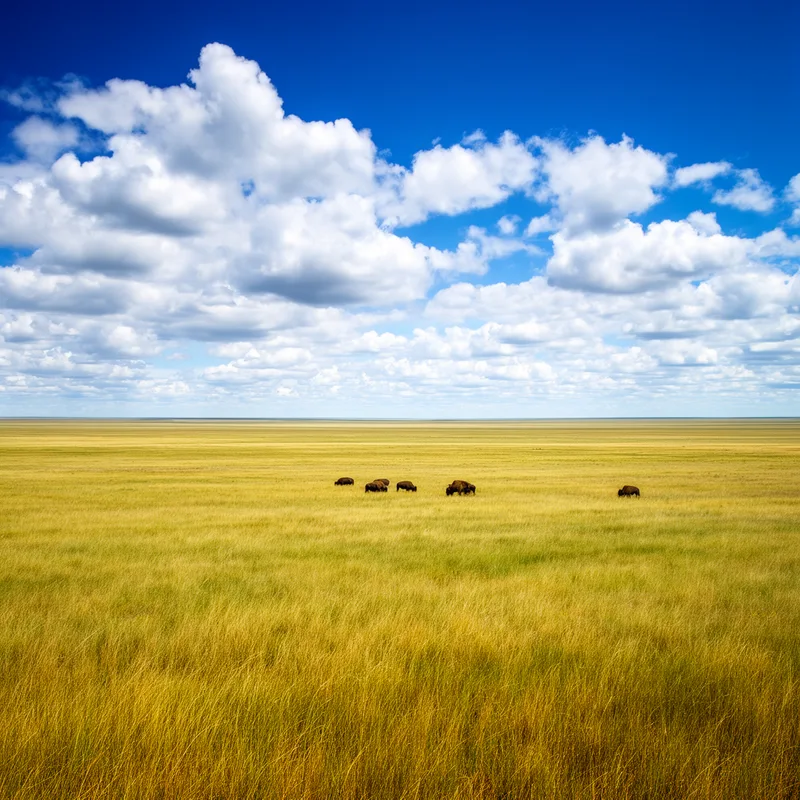
Great Plains
 10
3.1
10
3.1

- proper noun
- /ɡreɪt pleɪnz/
- The town is typical of countless towns throughout the Midwest and Great Plains.
- northern Great Plains
- southern Great Plains
- central Great Plains
Loading YouTube…
Watch on YouTubeI think that, you know, I'm from, like you said, North Dakota, the Great Plains, also Iowa Midwest.
- I think that, you know, I'm from, like you said, North Dakota, the Great Plains, also Iowa Midwest.
Examples
-
The economic and environmental trends that have forced rethinking on the Great Plains affect other large parts of America.
Academic text (1999) -
Land-hungry pioneers, gold prospectors, and expanding railroads wanted to move from the bustling South into the Great Plains.
-
There were storms on the East Coast, too, and in the Great Plains, and maybe an earthquake in California.
Fiction book (1997) -
Population growth bypassed large portions of the central Great Plains during the 1970s.
Academic text (1991) -
We and our prairie heritage deserve, need, and surely will someday have at least one Great Plains National Park.
Academic text (2002) -
Prior to the 2007 tornado, Greensburg was a typical small town on the American Great Plains.
Academic text (2011) -
In another source, read about the native prairie plants and soils of the Great Plains.
Academic text (1994) -
The Great Plains is known for its vast, grassy landscapes that stretch across central North America.
-
Many Native American tribes have rich histories rooted in the Great Plains region.
-
Farmers in the Great Plains depend on the fertile soil for wheat and other crops.
Synonyms
 60
3.2
60
3.2
A large flat area covered in tall grasses with very few trees
 20
2.7
20
2.7
An open area covered mainly with grass where animals live or graze
Surface Forms
Morphology
The meaning 'a large, flat, grassy region' is directly and transparently derived from combining 'great' (very large) with 'plain' (an extensive level area of open land); the compound simply names a very large plain. Although it is a proper noun (toponym), the composition follows regular semantic combination and is cross-linguistically predictable, so a B1 learner who knows both constituents would readily infer the meaning.
Etymology
Great Plains comes from the words great meaning 'very large' and plains meaning 'flat grassland', because early explorers saw a huge, flat area of grass. That's why today Great Plains means the large, flat prairie area from Canada to Texas.