
Gora


 1
9.3
- proper noun
- Literature
- A Pakistani father helps his son touch his relative's grave in Gora Cemetery to mark All Souls' Day, also known as the Day of the Dead, in Karachi on November 2, 2012.
Examples
-
All we know clearly is that we are not in Moscow; yet, the only landmark mentioned in the film is Sokolinaia gora (Falcon Hill), which is in Moscow.
Academic text (2017) -
Even the title Gora (one of fair complexion) is a derogatory term for a white man or European; as a person's name, it stands for the tensions in combining the indigenous with the colonial world.
Academic text (1990) -
Honestly, I strongly doubt that what Gora says is correct.
-
Then, in 1934, he published his first story, "Satan in Gora?"
Fiction book (1999) -
Well, gora, Who's next?
-
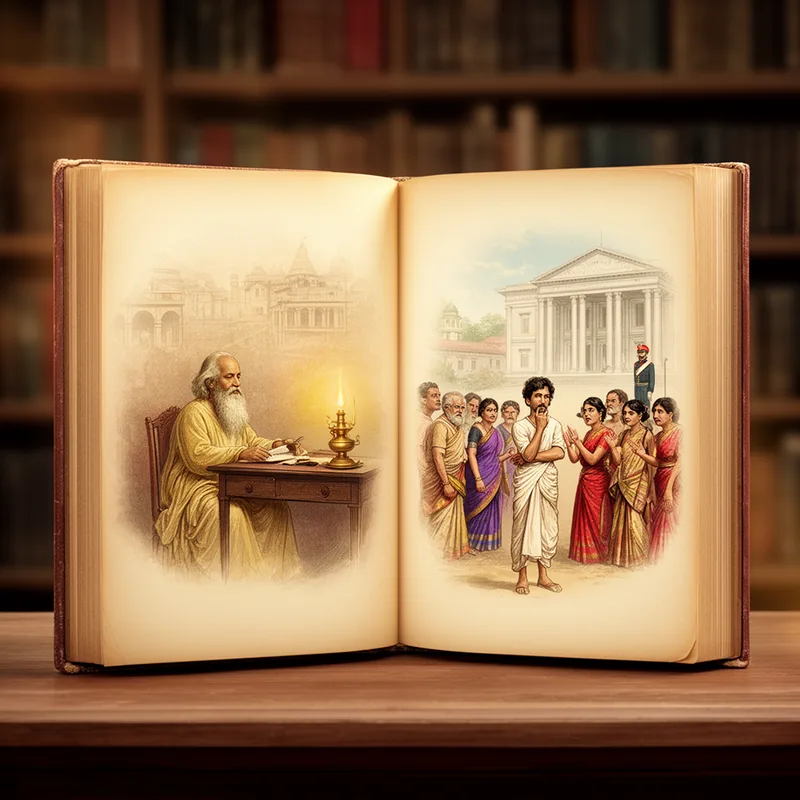
For example, Gora by Rabindranath Tagore, an often-cited novel, depicts the psychological problems of assimilation to the foreign ruling class.
Academic text (1990) -
With the remnants of the men under his command, he traveled eastwards into the hill country of Ravna Gora in west-central Serbia, and set up his resistance headquarters there.
Academic text (2015) -
Cardinal Wyszynski appeared on television to appeal for peace and work, and on August 26, the main council of the Polish bishops met at Jasna Gora in Czestochowa to discuss the reasons for social discontent, the issue of civil rights, and the question of social and moral revival in Poland.
Academic text (1999) -
In the novel Gora, Rabindranath Tagore explores the struggles of identity during colonial times.
-
Many readers regard Gora as one of Tagore's most significant works on political and social themes.
Surface Forms
Etymology
Gora is Tagore's hero's nickname; it comes from an old Sanskrit word gaura meaning 'fair' or 'white', and in Hindi gora it also means a 'white person'. So the title points to the character's pale skin and to the book's questions about identity under British rule.