
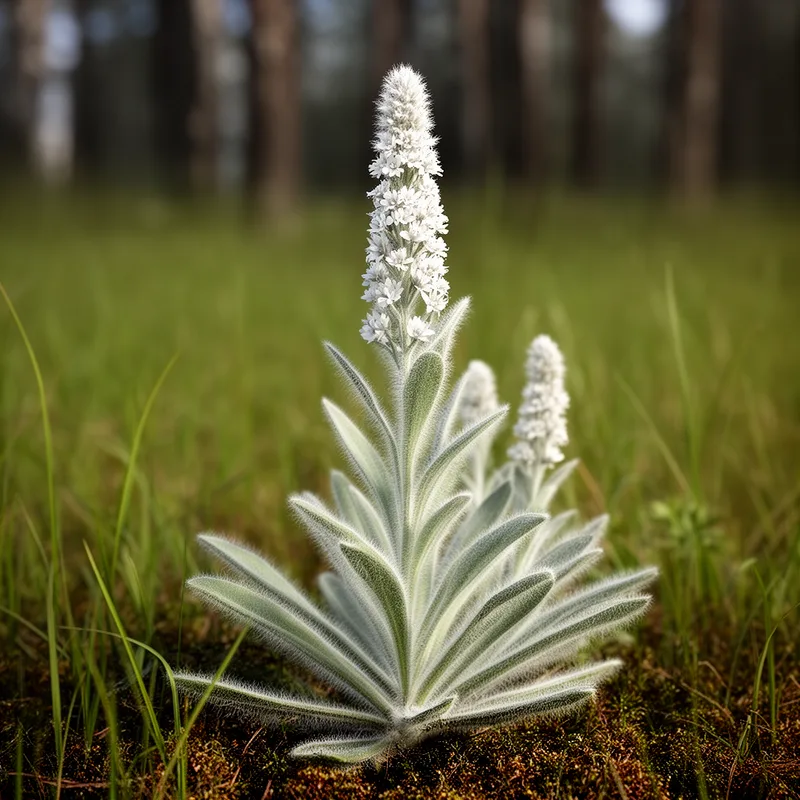
Gnaphalium sylvaticum
- noun
- Specialized
- We identified several patches of Gnaphalium sylvaticum during our botany field trip.
Examples
-
Look at the Gnaphalium sylvaticum growing near the path!
-
Gnaphalium sylvaticum grows abundantly in the wet meadows of northern temperate regions, often attracting various insects.
-
Gnaphalium sylvaticum thrives in the moist meadows and open woods of northern Europe.
-
Her research focused on the medicinal properties of Gnaphalium sylvaticum.
-
The Gnaphalium sylvaticum thrives in poor soil conditions.
-
In our botany class, we studied the unique characteristics of Gnaphalium sylvaticum, noting its woolly leaves and white flowers.
-
During a hike, we saw Gnaphalium sylvaticum blooming along the woodland edge, its spikes filled with delicate white flowers.
Synonyms

A small plant with woolly leaves and pale white flowers in damp shady woods

A wild plant that lives for many years with soft woolly leaves and dull white flowers on a long stem
A small rough plant that has soft hairy leaves and pale flower heads
Surface Forms
Morphology
Gnaphalium + sylvaticum
This is a Latin scientific binomial rather than a compositional English phrase; it functions as a taxonomic label. Even if a learner knows 'Gnaphalium' as a plant genus, the second element is technical/unknown and the full descriptive meaning (a weedy perennial with woolly leaves and dirty white flowers) cannot be derived from the constituents, so it is not transparent to a B1 learner.
Etymology
Gnaphalium sylvaticum may come from a Greek word for 'wool' because its leaves and flower heads look soft and woolly, and the second word sylvaticum means 'of the woods'. So the name makes a simple picture of a woolly plant that grows in meadows and woods, which helps you remember what it looks like and where it lives.

