

Gleichenia flabellata
- noun
- Australian
- Botanists often admire the distinctive forked fronds of Gleichenia flabellata.
Examples
-
The Gleichenia flabellata thrives in moist, shaded areas of the Australian bushland.
-
The Gleichenia flabellata is known for its unique fan-shaped fronds that add beauty to gardens.
-
A specimen of Gleichenia flabellata was displayed in the botanical garden's fern collection.
-
Look at that stunning Gleichenia flabellata!
-
I saw a Gleichenia flabellata today.
-
In many rainforests of Australasia, the Gleichenia flabellata can be found growing alongside other ferns.
-
The botanical study highlighted the ecological role of Gleichenia flabellata in local ecosystems.
Synonyms

A large fern with fan-shaped leaves that split many times and grows in eastern Australia

A large plant with fan-shaped leaves that fork many times
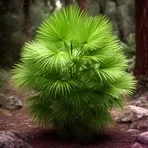
A large plant that grows in Australia and New Zealand with fan-shaped leaves that split many times
Surface Forms
Morphology
Gleichenia + flabellata
This is a binomial scientific name combining the genus Gleichenia (a type of fern) with the specific epithet flabellata (literally ‘fan-shaped’); the species meaning (a Gleichenia fern with fan-shaped fronds) is directly compositional from the parts. Taxonomic naming is a cross-linguistic convention, so a learner who knows both constituents can infer the MWE's referent and descriptive sense.
Etymology
Gleichenia flabellata combines a botanist's name, Gleichenia, and the Latin word flabellata, which means 'fan-shaped' because the fern's leaves fork and spread like a hand fan. That's why the name still describes this fern today.

