
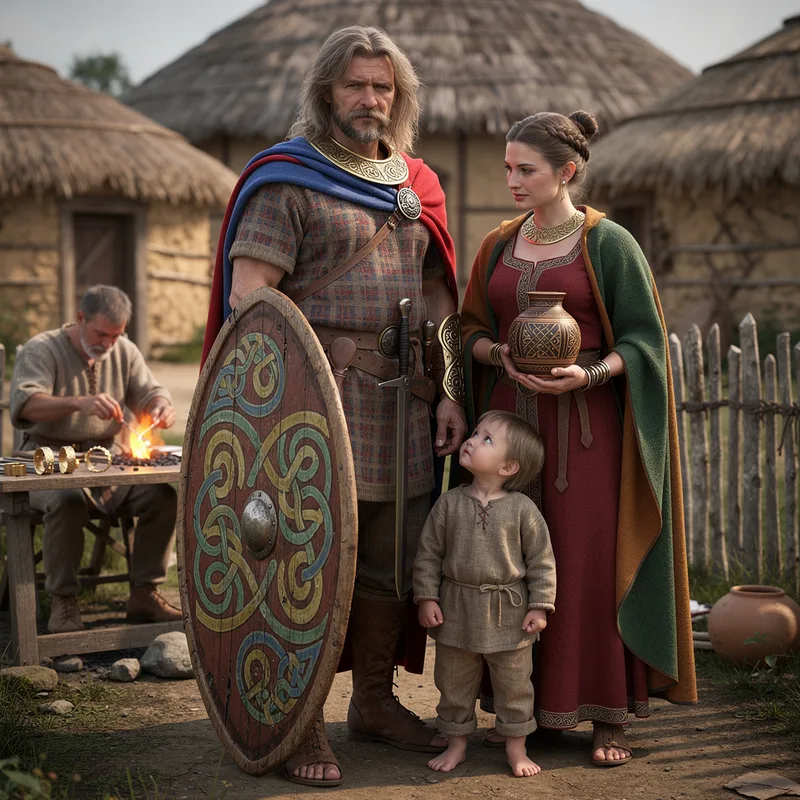
Gallic
 1
9.9
1
9.9

- adjective
- /ˈɡælɪk/
- And this is a coin representing his triumph over the Gauls with a trophy representing Gallic arms and armor.
- Gallic Wars
- Caesar's Gallic
- Gallic Hercules
Loading YouTube…
Watch on YouTubeAnother man who was Caesar's Leggett in the Gallic Wars, Servius Sylpicius Galba, was a thrifty man.
- Another man who was Caesar's Leggett in the Gallic Wars, Servius Sylpicius Galba, was a thrifty man.
Examples
-
The rebel emperor Posthumous rules Gaul, Britain and Spain, the so-called Gallic Empire.
-
The conquest of Gaul was Caesar's greatest achievement and the Gallic triumph would serve as its living monument.
-
In fact, the letter being written in this demonstration is an excerpt of just one page from his Gallic war commentaries.
-
By nightfall, he tracked down his rogue Gallic allies.
-
A thousand years of Gallic civilization lie behind the way she ties her cerulean scarf...
Fiction book (2000) -
Ah, Farley, you don't divert me quite so easily from Caesar's Gallic Wars.
-
But given the language-internal evidence adduced here, claims of Gallic influence on the use and decline of the participle should not be exaggerated.
Academic text (1996) -
By the time of Boniface, Frankish bishops and missionaries were often the pawns of the aristocracy, and the ancient Gallic tradition of synods and provincial organization had significantly deteriorated.
Academic text (2002) -
During the Gallic Wars, Julius Caesar faced fierce resistance from the Gallic tribes.
-
The Gallic culture was rich in traditions and influenced many aspects of ancient European life.
Synonyms


 1
9.9
1
9.9
Relating to the ancient Gauls and their language or culture
Compounds

How Offensive
- Slur
 1
9.9
1
9.9
Surface Forms
Morphology
Etymology
Gallic comes from the old name Gaul, the land that is now France, and from the people called the 'Gauls'. So Gallic in this sense means 'of or relating to' that ancient land and its people.