
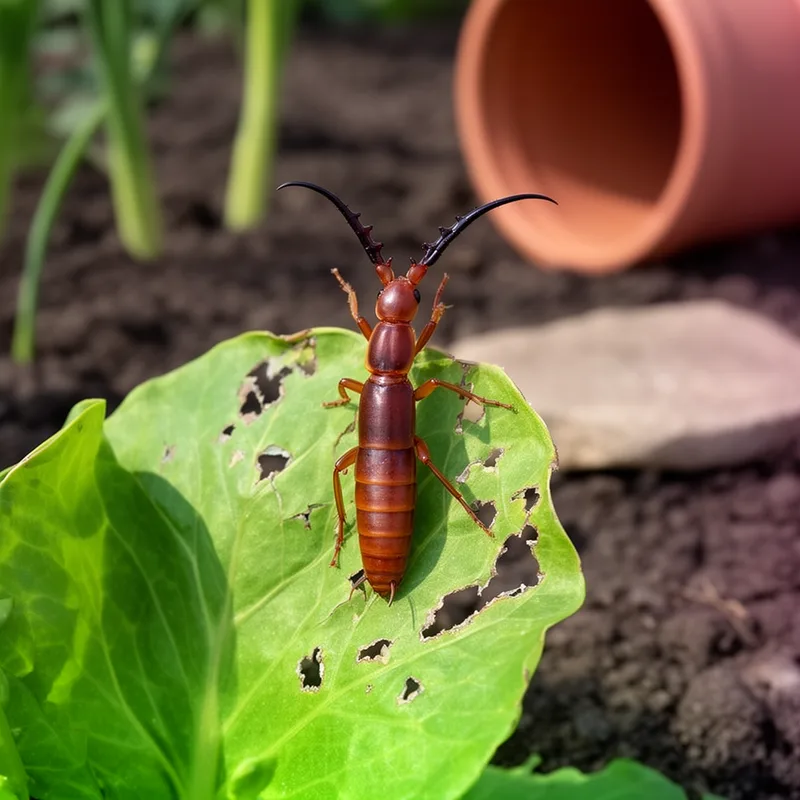
Forficula auricularia
- noun
- Specialized
- Damage to the tulip bulbs was traced back to Forficula auricularia activity.
Examples
-
Gardeners often find Forficula auricularia hiding under flower pots and stones.
-
Forficula auricularia can be both a helpful predator and a nuisance in vegetable gardens.
-
The Forficula auricularia is often found in gardens.
-
Many gardeners dislike the Forficula auricularia for its destructive habits.
-
Forficula auricularia is known to damage cultivated bulbs in many home gardens.
-
Many gardeners consider Forficula auricularia a pest because it feeds on young plants.
-
During the summer, Forficula auricularia can be found lurking in moist areas of the garden.
Synonyms
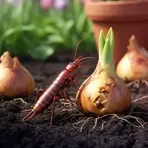
An insect with pincers that often lives in gardens and may damage flower bulbs
Surface Forms
Morphology
Forficula + auricularia
This is a Latin scientific binomial (a genus + species epithet) functioning as a referential label rather than a compositional English phrase. A B1 learner who knows 'Forficula' as a genus of earwigs still cannot derive the specific species meaning from 'auricularia' (not a common English word and not glossed here), so the overall meaning is not predictable from the parts and requires specialist knowledge.
Etymology
Forficula auricularia comes from old Latin words: Forficula means 'little scissors' and auricularia means 'ear', because people long ago thought these insects crawled into ears. So the name gives a clear picture: a small garden insect with pincer tails like 'little scissors' and the old 'ear' story helps explain the common name 'earwig'.

