

Fanconi's anemia
- noun
- /fænˈkoʊniːz əˈniːmiə/
- Specialized
- The doctors suspected Fanconi's anemia after observing her abnormal blood counts and physical signs.
Examples
-
Research into treatments for Fanconi's anemia has led to important advances in bone marrow transplantation.
-
Genetic counseling was recommended for the family because their child had Fanconi's anemia.
-
Children with Fanconi's anemia often need special treatment.
-
Is Fanconi's anemia hereditary?
-
Research into treatments for Fanconi's anemia has led to important advances in bone marrow transplantation.
-
The doctors suspected Fanconi's anemia after observing her abnormal blood counts and physical signs.
-
Genetic counseling was recommended for the family because their child had Fanconi's anemia.
Synonyms
 8
7.0
8
7.0

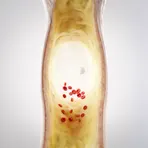
A condition in which bone marrow does not make enough red and white blood cells and platelets
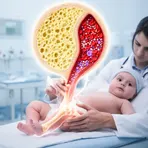
A birth condition where the soft inside of bones does not make enough blood cells
Surface Forms
Morphology
Fanconi's + anemia
The component 'anemia' clearly signals a blood condition, so a B1 learner who knows that word will likely infer this is a kind or subtype of anemia. However, 'Fanconi's' is an eponymic proper name that provides no semantic information about the disorder's inheritance, bone marrow failure, or rarity, so the full clinical meaning cannot be derived from the parts.
Etymology
Fanconi's anemia is named for Dr. Guido Fanconi, who first described children who were short and had very low blood cells, and anemia means 'low blood cells'. So, the name now refers to a rare disease that is 'passed down in families' and causes 'low blood cells' and physical differences.