
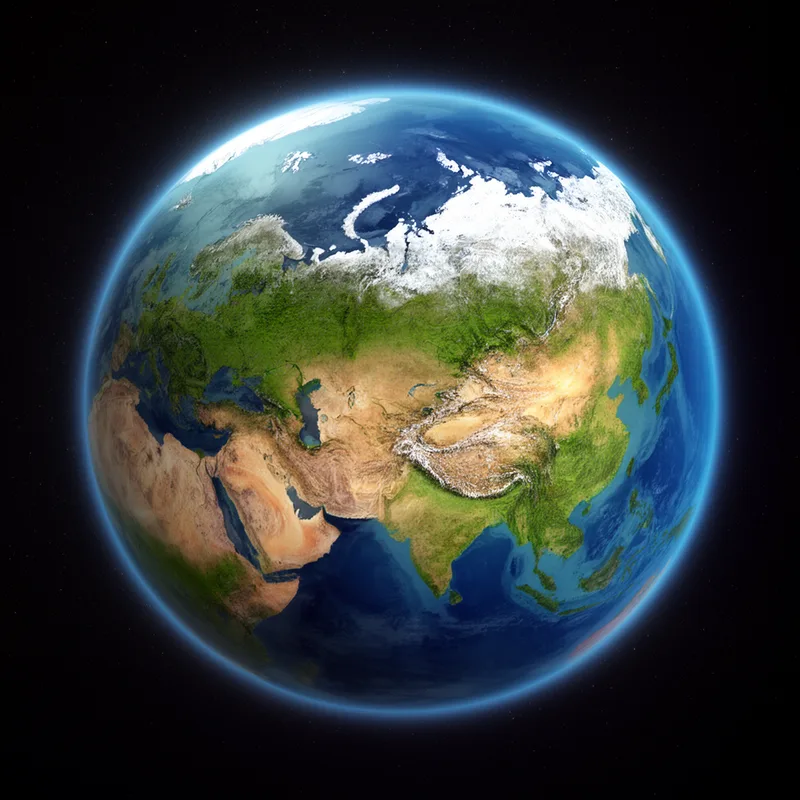
Eurasian
 7
4.3
7
4.3

- adjective
- /jʊəˈreɪʒən/
- Should Russia seek to integrate itself with the West, or should it follow a more independent Eurasian path?
- Eurasian landmass
- Eurasian heartland
- Eurasian steppe
Loading YouTube…
Watch on YouTubeI'm the Oven Associate Director priest, the Center for Russian, E European and Eurasian Studies here at Stanford.
- I'm the Oven Associate Director priest, the Center for Russian, E European and Eurasian Studies here at Stanford.
Examples
-
Eurasian countries are known for their rich history and cultural exchange.
-
The meeting focused on the economic ties between Eurasian countries.
-
On January 1st, for instance, the Eurasian Economic Union came into existence.
Academic text (2015) -
They can be American, Chinese, Eurasian or Japanese.
-
For this reason, the United Nations is likely to become the premier legitimizing authority for Eurasian collective security operations.
Academic text (1993) -
Historically, North American and Eurasian faunas were linked by the Bering land bridge, connecting Alaska and Siberia.
Academic text (1996) -
The Eurasian continent includes a diverse range of cultures and languages.
Synonyms

Relating to both Europe and Asia
Compounds

A medium-sized animal with black and white face stripes that lives in underground holes in Europe and Asia


A large wild hamster with brown fur and a white belly from eastern Europe and parts of Asia

A small bright bird with blue and orange feathers that lives by rivers in Europe and Asia and eats fish

A medium-sized otter that lives in rivers and coasts of Europe and Asia with thick waterproof fur

A short-legged, long-billed bird with mottled brown feathers that migrates across Europe and Asia
Surface Forms
Morphology
Eurasian = Eurasia (transparent) = Eurasia + an
Adjective formed by adding '-an' to the place-name 'Eurasia' to indicate relation or origin; the sense 'relating to both Europe and Asia' follows straightforwardly.
Etymology
The word Eurasian comes from the names Europe and Asia, so Eurasian means 'relating to both Europe and Asia' and is used for places, cultures, or land that connect the two continents.