
Essen
 2
4.1

- proper noun
- The Joule 2 project for the enhancement of the efficiency of coal-fired power generation systems was undertaken by Siemens and the University of Essen in Germany, and Babcock and Wilcox Espanola in Spain.
- University of Essen
Loading YouTube…
Watch on YouTubeI'm here in Essen, Germany today to show you the world's only scale functional nuclear reactor simulator that's made out of glass.
- I'm here in Essen, Germany today to show you the world's only scale functional nuclear reactor simulator that's made out of glass.
Examples
-
The big towns like Essen and Dortmund remodeled with broad streets and were car-oriented, while the small towns tried to maintain their character.
Blog text (7) -
In the Joule 3 project on advanced cycle technologies, the University of Essen and four partners have investigated measures to reduce costs, enhance efficiency, and provide a basis for an advanced design.
Academic text (2000) -
I'm here in Essen, Germany today to show you the world's only scale functional nuclear reactor simulator that's made out of glass.
-
Slavoj Zizek, a Slovenian philosopher and psychoanalyst, is a senior researcher at the Institute for Advanced Study in the Humanities in Essen, Germany.
Blog text (31) -
The Essen-based RWI economic institute is forecasting what now seems to be a "low-end" prediction of a 2 percent contraction for next year, but even this would already be the biggest annual contraction since World War II.
Blog text (3) -
"Lignite is the lowest-priced type of power generation and thus increasingly stormed the market," Martin Pack, an RWE spokesman, said by phone from Essen, referring to a type of soft coal that dominates RWE's consumption of the fuel.
Blog text (28) -
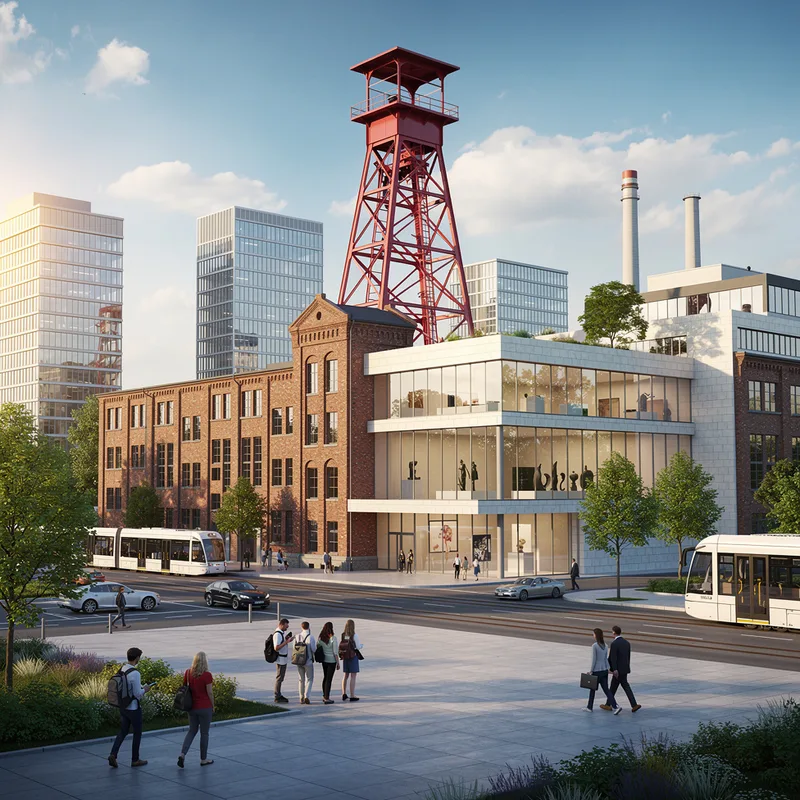
The city of Essen is famous for its rich industrial history and cultural heritage.
-
During my visit to Essen, I explored many museums and enjoyed local cuisine.
-
Known for its vibrant arts scene, Essen hosts numerous cultural festivals each year.
Surface Forms
Etymology
Essen is the name of a German city and most likely comes from a very old local name meaning a place of ash trees or from the name of the people who lived there long ago. A helpful way to remember it is that it looks like the German verb essen 'to eat', but the city name actually comes from those old trees or people, not from eating.