
Equus
 2
9.0
2
9.0

- proper noun
- /ˈɛkwəs/
- Specialized
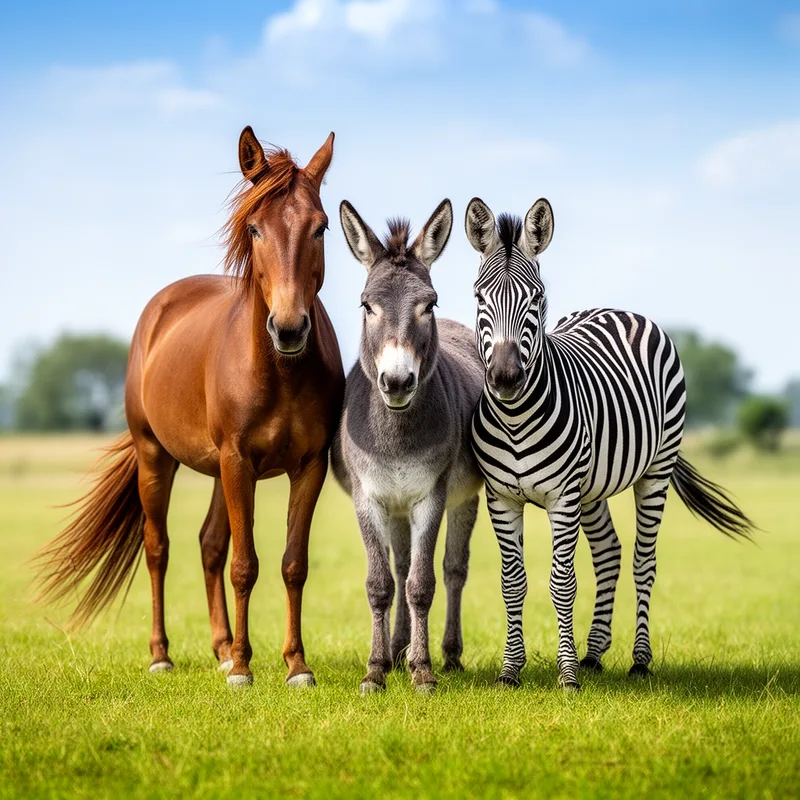
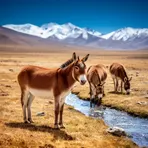
- The genus Equus includes various species such as horses, zebras, and donkeys, showcasing their diversity within this genus.
- the Equus horse
Examples
-
And this is an ultra rare first generation Equus that was never sold outside Asia.
-
After receiving worldwide attention for his photographs of dogs and horses in projects titled Dogs, Gods, and Equus, London-based photographer Tim Flach turned his attention to more exotic creatures.
Blog text (33) -
The horses include both Equus, the modern one-toed genus, and the primitive three-toed Hipparion.
Academic text (1994) -
Plains zebras (Equus burchelli) search for water along the dried-up Boteti River during the dry season.
Academic text (2006) -
The scientific study of Equus reveals important insights into the evolution of modern horses and their relatives.
-
Researchers often analyze the genetic makeup of Equus to understand the relationships between different equine species.
Synonyms

A group of animals that includes horses, zebras, and donkeys
Compounds
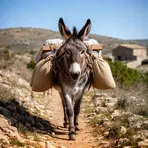


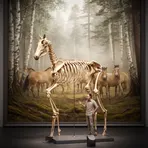
- Specialized
A type of European wild horse that no longer exists since the early 1900s
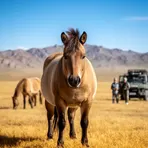
- Specialized
A rare wild horse from central Asia with a stocky body and a short upright mane that is now endangered
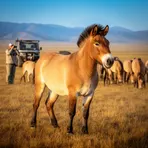
- Specialized
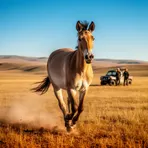
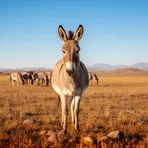
A rare endangered wild horse from Central Asia that looks like a donkey
- Specialized
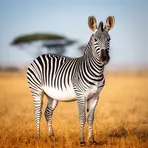
A large zebra from East Africa with narrow, close stripes and a white belly

Surface Forms
Etymology
Equus is the Latin word for 'horse' and is used as the scientific name for the group of animals that includes horses, zebras, and donkeys. A helpful way to remember it is that it is the same root as the everyday words equine and equestrian, which mean 'relating to horses', so Equus names the 'horse' group.