
Epigoni
- proper noun
- /ˈɛpɪˌɡoʊnaɪ/
- Literature
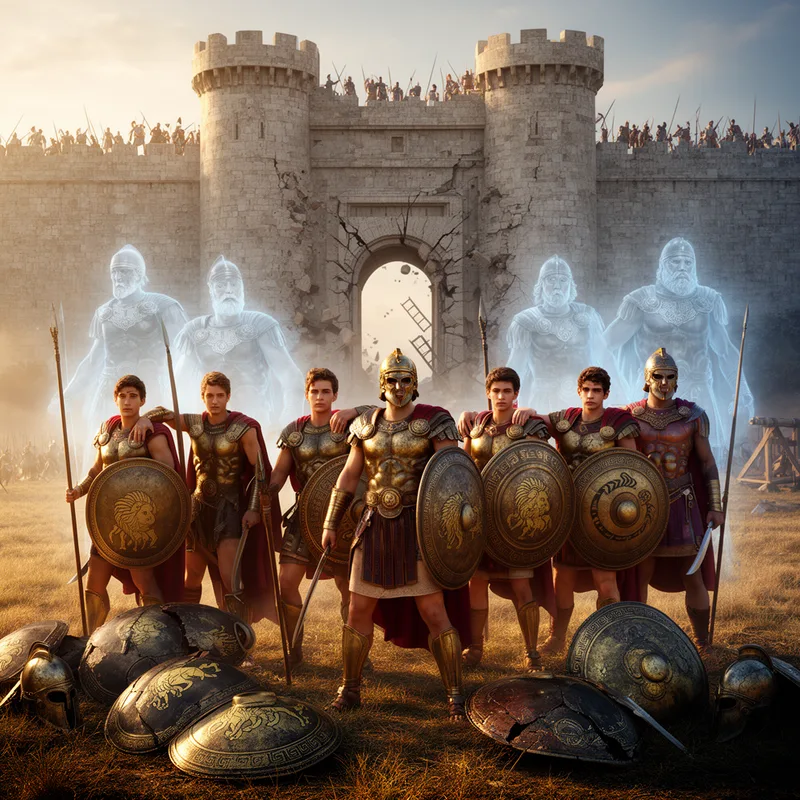
- The Epigoni succeeded where their fathers had failed by capturing the city of Thebes.
Examples
-
According to legend, the Epigoni attacked Thebes.
-
Ancient plays often recount the story of the Epigoni and their quest for vengeance.
-
The legend of the Epigoni highlights themes of fate and generational conflict in Greek mythology.
-
The Epigoni sought to avenge their fathers' deaths.
-
The Epigoni successfully avenged their fathers by laying siege to Thebes.
-
In Greek mythology, the heroes known as the Epigoni fought bravely to reclaim their family's honor.
-
The epic tale of the Epigoni tells of their determination to strike back against Thebes.
Surface Forms
Etymology
Epigoni comes from Greek parts epi- meaning 'after' and -goni meaning 'birth' or 'offspring', like in the English word generation. So the Epigoni are the 'next generation'—the sons who came after their fathers to attack Thebes and take revenge.

