
English ryegrass
- noun
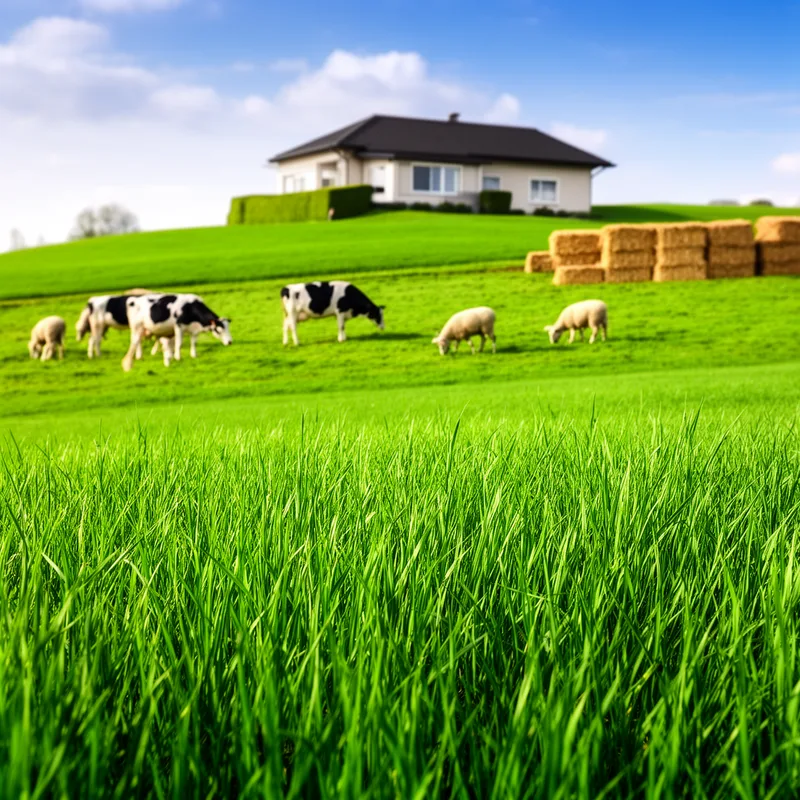
- English ryegrass is widely sown by farmers to improve the quality of their grazing pastures.
Examples
-
The lawn was a vibrant green, thanks to the dense growth of English ryegrass.
-
Unlike some wild grasses, English ryegrass provides excellent fodder for cattle and sheep.
-
The farmer planted English ryegrass in his fields.
-
Many gardeners use English ryegrass for a lush lawn.
-
English ryegrass is widely sown by farmers to improve the quality of their grazing pastures.
-
The lawn was a vibrant green, thanks to the dense growth of English ryegrass.
-
Unlike some wild grasses, English ryegrass provides excellent fodder for cattle and sheep.
Synonyms

A common grass from Europe used for lawns and animal feed

A grass that lives for many years and is used for lawns and to feed animals
Surface Forms
Morphology
The phrase is a straightforward adjective + noun combination: 'English' specifies origin/variety of 'ryegrass', so the meaning (the ryegrass associated with England or the English variety) is directly derivable from the parts. This compositional, literal pattern is common across languages and should be immediately clear to a B1 learner who knows both constituents.
Etymology
English ryegrass probably gets its name from ryegrass, a grass that looks a little like rye grain, and English because this type was common in England. So English ryegrass now means the grass farmers sow for 'pasture', 'hay', and 'lawns'.

