

Empetraceae


 1
9.9
- noun
- /ɛmˈpɛtrəˌsi/
- Specialized
- Some members of the Empetraceae are valued for their berries and ornamental use.
Examples
-
The Empetraceae family includes various species of crowberries.
-
The Empetraceae family includes several species adapted to arctic and alpine habitats.
-
Botanists often study Empetraceae to understand plant survival in harsh climates.
-
Many gardeners appreciate the Empetraceae for their hardiness.
-
The Empetraceae family includes different species of crowberries that thrive in cool climates.
-
In the garden, the Empetraceae add a lush, green layer with their evergreen leaves.
-
Many gardeners appreciate Empetraceae for their hardiness in temperate regions and attractive foliage.
Synonyms
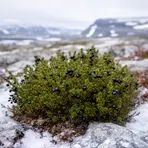
A group of low, bushy shrubs that grow in cold regions, often with small black berries
Surface Forms
Morphology
Empetraceae = Empetrum (opaque) = Empetrum + aceae
The suffix '-aceae' is a technical botanical family-forming ending; average learners who know 'Empetrum' will not reliably infer 'a family of plants' from this form.
Etymology
The word Empetraceae comes from the plant name Empetrum, which in Greek meant 'on the rock' from the root petra 'rock', and the ending -aceae marks a plant family. So Empetraceae are a family of small, tough shrubs often found growing on rocks and in cold, harsh places.