
Dutch clover
- noun
- /dʌtʃ ˈkloʊvər/
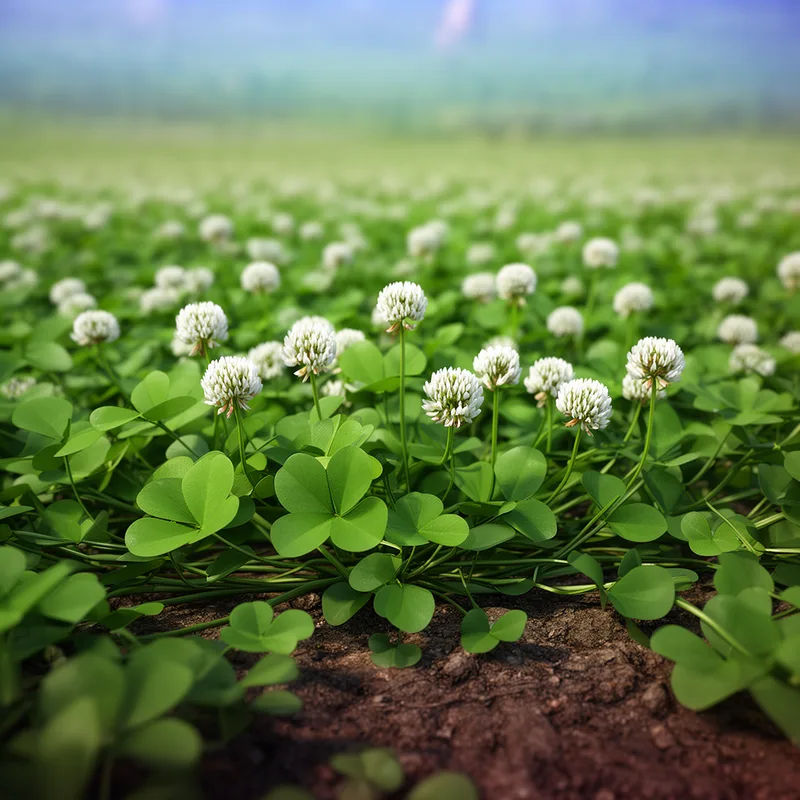
- You can recognize Dutch clover by its distinctive trifoliate leaves and creeping stems.
Examples
-
Farmers often plant Dutch clover to improve soil fertility and provide forage for livestock.
-
Farmers often plant Dutch clover for its benefits.
-
The field was covered with Dutch clover, creating a lush green carpet dotted with white flowers.
-
The garden is filled with Dutch clover.
-
Farmers often plant Dutch clover in their fields to improve soil quality.
-
The meadow was filled with colorful flowers, including Dutch clover, which attracted many bees.
-
Many gardeners appreciate Dutch clover for its ability to grow in various soil conditions.
Synonyms

 38
1.0
38
1.0

A small green plant with three round leaves that farm animals often eat

 1
4.6
1
4.6
A short plant with round leaves and small white or pink flowers often eaten by farm animals
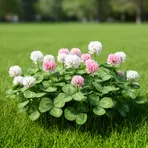
A common low plant with three-part green leaves and white or pink flowers that grows in lawns
Surface Forms
Morphology
The compound is a straightforward adjective + noun naming a variety: 'Dutch' (from the Netherlands) + 'clover' (the plant) yields 'a kind of clover', so the basic meaning is compositional and transparent. While the exact botanical species (Trifolium repens) is specialized knowledge, a B1 learner who knows both constituents will understand it denotes a type of clover.
Etymology
Dutch clover may come from Dutch farmers who often grew this low, spreading clover to feed animals and improve soil. So the name links 'Dutch' with this common white clover, which is why it refers to that familiar forage plant.