

Dracocephalum parviflorum
- noun
- Specialized
- Botanists admire the vibrant blue flowers of Dracocephalum parviflorum each spring.
Examples
-
Dracocephalum parviflorum is commonly found in wet meadows across much of North America.
-
Gardeners plant Dracocephalum parviflorum for its ornamental spikes and aromatic leaves.
-
The Dracocephalum parviflorum blooms beautifully in late spring.
-
Have you seen the Dracocephalum parviflorum in the garden?
-
Dracocephalum parviflorum thrives in the moist soil of North American wetlands during the summer.
-
Dracocephalum parviflorum attracts pollinators with its striking blue spikes of flowers.
-
In many gardens, Dracocephalum parviflorum adds a pop of color with its vibrant blooms.
Synonyms

A small herb with pointed saw-edged leaves and spikes of blue or violet flowers
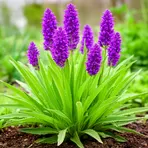
A North American herb with long narrow toothed leaves and purple flower spikes
Surface Forms
Morphology
Dracocephalum + parviflorum
The name is compositionally built from a genus name (Dracocephalum, dragonhead) plus a Latin species epithet (parviflorum, literally ‘small‑flowered’), so its literal meaning is predictable to someone familiar with botanical Latin. However, an average B1 learner who only knows common English words is unlikely to know or recognise the Latin epithet, and the term is technical; therefore the transparency is only partial.
Etymology
Dracocephalum parviflorum comes from Greek and Latin words: dracocephalum means 'dragon head' and parviflorum means 'small flower'. Because the blue flowers look a little like tiny dragon heads, the name gives an easy picture of this small herb in the mint family.

