
Dover
 11
2.0
11
2.0

- proper noun
- Father, being a ship carpenter by trade, found employment at the Dover shipyards.
Loading YouTube…
Watch on YouTubeGot down to Dover, crossed on a ferry, got to Calais.
- Got down to Dover, crossed on a ferry, got to Calais.
- And he just rocks on down to to Dover in England, looks across to France.
- Here he is playing the intro to Cliffs of Dover.
- And one of them, the drummer, yeah, was a guy named Nikki Heaton from Dover, long haired hippie.
- I think they got coming back through Dover.
- So we had HMRC officers from the UK, like from Dover, from Heathrow, from Edinburgh Airport, you know, from all the airports.
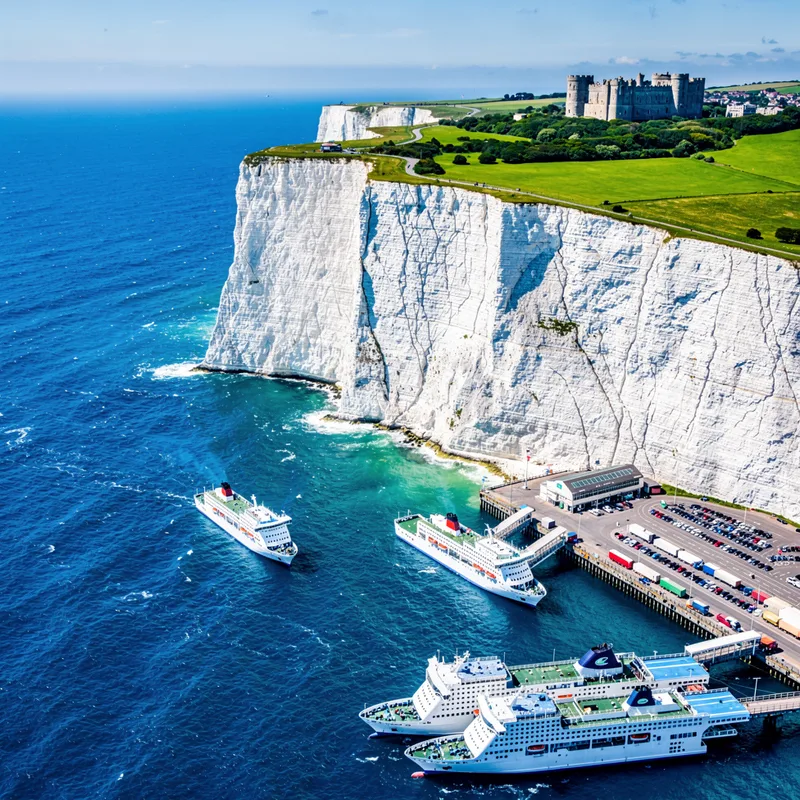
- When you think about England, you think about roast beef, the great cliffs of Dover, you know, guys with tall furry hats guarding the queen.
- I'd spent every weekend that summer down in Dover practising swimming for hours and hours and hours on end.
- And the first thing we got was a tour of the Mortuary where all of fallen soldiers came through Dover.
Examples
-
The Dover road is famously the most boring drive in the British Isles.
-
When you think about England, you think about roast beef, the great cliffs of Dover, you know, guys with tall furry hats guarding the queen.
-
And he just rocks on down to to Dover in England, looks across to France.
-
Then they sent me to Dover, got parole first time because I was, I was a model prisoner.
-
So she said I'll meet you at Dover because I had to get the ferry once I landed in Europe.
-
When you think of England, you see the white cliffs of Dover.
-
David: I have an aunt who lives in Dover, but she hasn't seen me since I was a baby.
Fiction book (2000) -
"The ferry," she announces, "will be returning to Dover in five minutes."
Fiction book (2000) -
Narrator: I journeyed on foot to Dover and slept where I could.
Fiction book (2000) -
When you think of England, you see the white cliffs of Dover.
Compounds

A narrow sea passage between southeast England and northern France that connects the English Channel with the North Sea
Surface Forms
Etymology
Dover comes from an old Celtic word dubros meaning 'water' or 'the river'. The town sits where a river meets the sea, so the name fits this coastal port with its famous white cliffs.