

Diplazium pycnocarpon
- noun
- Specialized
- The narrow fronds of Diplazium pycnocarpon make it easy to distinguish from other local fern species.
Examples
-
The shady ravines in the park are home to Diplazium pycnocarpon and other rare ferns.
-
The narrow fronds of Diplazium pycnocarpon can grow up to three feet long in the right conditions.
-
Botanists documented a large population of Diplazium pycnocarpon along the creek.
-
The Diplazium pycnocarpon thrives in shaded, moist environments.
-
Look at the Diplazium pycnocarpon growing by the path!
-
In moist woodland areas, Diplazium pycnocarpon is often found flourishing under the canopy.
-
Gardeners appreciate Diplazium pycnocarpon for its unique appearance and adaptability to shaded locations.
Synonyms

A North American fern with narrow fronds and yellowish stalks that grows in moist woods
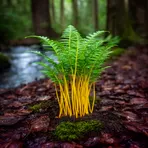
A small fern with narrow leaves and yellow stalks that grows in moist woods

A fern with narrow leaves on yellowish stalks that grows in shady rocky places
Surface Forms
Morphology
Diplazium + pycnocarpon
This is a Latin scientific binomial rather than a compositional English phrase; the constituent tokens are not recognisable English words and give no clue to the meaning 'a fern species'. A B1 learner who 'knows' the listed constituents would not be able to infer the botanical sense without specific prior knowledge of taxonomic names, so the expression is idiomatic/opaque for general learners.
Etymology
Diplazium pycnocarpon may come from old words like dipla meaning 'double' and pycno plus carpon meaning 'dense fruit'. Imagine a fern with two narrow leaf parts and many tiny 'spores' along the stalk. That image helps you remember the name for this North American woodland fern.

