
Dioscorea
- noun
- /ˌdaɪəˈskɔːriə/
- Specialized
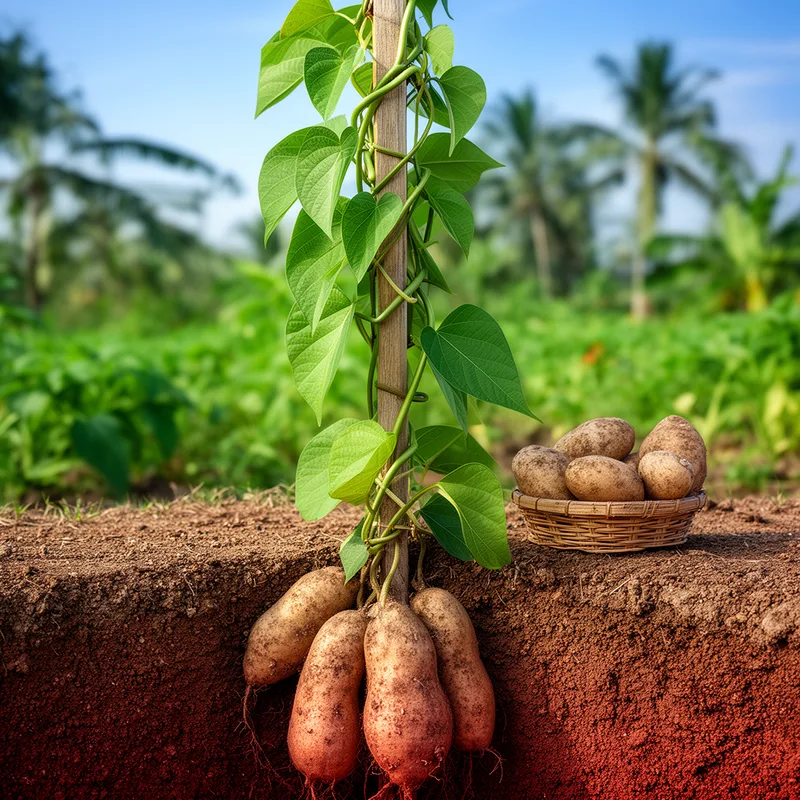
- The species profiled here (along with some other species and varieties of Dioscorea) is almost unique among tubers in that they are produced above ground, on the vines.
- Dioscorea yams
- wild Dioscorea
Examples
-
Extracting wild Dioscorea yams with hardwood digging sticks is.
Academic text (1993) -
They find several species of their Dioscorea yams here, but they can be difficult to dig because the soil is dry and stony.
Academic text (1993) -
Dioscorea has been noted as present.
Academic text (1993) -
Dioscorea pentaphylla BA 1
Academic text (1993) -
The staple food is a tuber (ovy) which is a wild yam (Dioscorea sp.).
Academic text (1991) -
Many Paliyans dwell in zone II forest, where they find the wild yams (Dioscorea) and the wood with which to dig them (Rubiaceae) in abundance.
Academic text (1993) -
Dioscorea is a genus of climbing plants known for their starchy tubers that thrive in tropical regions.
-
Farmers cultivate Dioscorea yams for their nutritional value and versatility in cooking.
-
The Dioscorea plant is often found climbing on trees in warm climates, producing edible tubers.
Synonyms
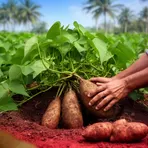
A tropical vine that makes large edible roots used for food
Compounds

- Specialized
A Chinese climbing vine grown for its edible roots and attractive leaves

- Specialized
A South African climbing plant with a large woody base that looks like a turtle shell

- Specialized
A wild yam whose dried root people use as a traditional medicine for joint and liver problems
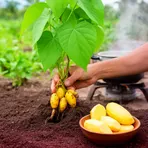
- Specialized
A tropical American yam plant with small yellow roots that people eat
Surface Forms
Etymology
Dioscorea is named after the ancient Greek doctor Dioscorides, who wrote a famous book about useful plants. So the name fits these yams, which people grow for food and sometimes for medicine.

