
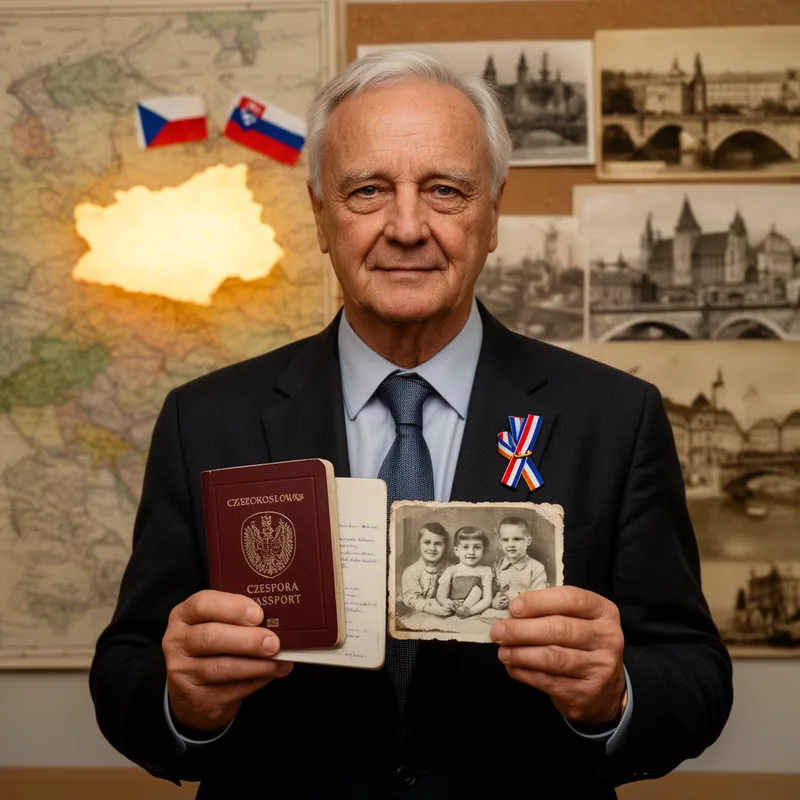
Czechoslovak
 1
7.5

- noun
- /ˌtʃɛkəˈsloʊvæk/
- The Czechoslovak national team won the ice hockey championship in 1972.
Examples
-
General Jannat would command only the Czechoslovak Legion and some other small Allied contingents.
-
And in January this year, Czechoslovak audiences watch a play about just that.
-
The story of the Czechoslovak Legion ended in triumph.
-
These activities of foreign criminal groups, and on such a large scale, were new to the Czech (Czechoslovak) Republic during the 1990s.
Academic text (2007) -
General Jannat would command only the Czechoslovak Legion and some other small Allied contingents.
-
A report entitled "Comprehensive Forecast for the CSSR Until the Year 2010" criticizes such heavy investment in nuclear energy by claiming that "it will block the paths to a restructuring of the Czechoslovak economy." Institute of Forecasting of the Czechoslovak.
Academic text (1990) -
In 1948, many Czechoslovaks emigrated to escape political changes in their country.
-
During the 1980s, the Czechoslovak government implemented several reforms to improve the economy.
Synonyms
 2
7.4
A person from the former country Czechoslovakia in central Europe
Surface Forms
Morphology
Czechoslovak = Czech + Slovak (transparent) = czech + slovak
Formed by compounding the two national/ethnic names (Czech + Slovak, with a linking -o); the meaning (a person of the former Czechoslovakia) is directly derived from those components.
Etymology
Czechoslovak comes from the two names Czech and Slovak and from the country name Czechoslovakia, which literally means 'land of the Czechs and Slovaks'. So a Czechoslovak was a person from that former country.