

Cytisus scoparius
- noun
- Specialized
- The Cytisus scoparius blooms beautifully in the spring.
Examples
-
In spring, Cytisus scoparius fills the garden with its cheerful yellow flowers.
-
The hillside was covered in bright yellow blooms of Cytisus scoparius.
-
Cytisus scoparius is considered invasive in some regions due to its rapid spread.
-
Gardeners often plant Cytisus scoparius for its colorful appearance in spring.
-
I planted several Cytisus scoparius in my garden.
-
Gardeners often plant Cytisus scoparius because of its bright yellow flowers in spring.
-
The hillside was alive with the vibrant yellow blooms of Cytisus scoparius.
Synonyms

 9
5.0
9
5.0

A shrub with thin green stems and yellow flowers that helps hold soil

A shrub with slender green branches and bright yellow flowers often grown in gardens
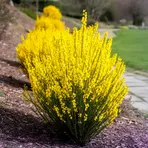
A shrub from western Europe with bright yellow flowers grown in gardens

A bush with bright yellow flowers often grown in gardens
Surface Forms
Morphology
Cytisus + scoparius
This is a Latin binomial (scientific name) rather than a compositional English phrase; the parts are taxonomic labels and do not combine to form an immediately comprehensible everyday meaning for a B1 learner (and 'scoparius' is not a transparent English word). Understanding that it denotes the broom shrub requires specific botanical knowledge or a glossary entry rather than deduction from constituent meanings.
Etymology
Cytisus scoparius got its name because people used its long, stiff branches to make brooms. The second name scoparius comes from an old word for 'broom', so the plant became known as 'broom' from that simple use.