
Cycliophora
- noun
- /ˌsaɪklɪˈɔːfərə/
- Specialized
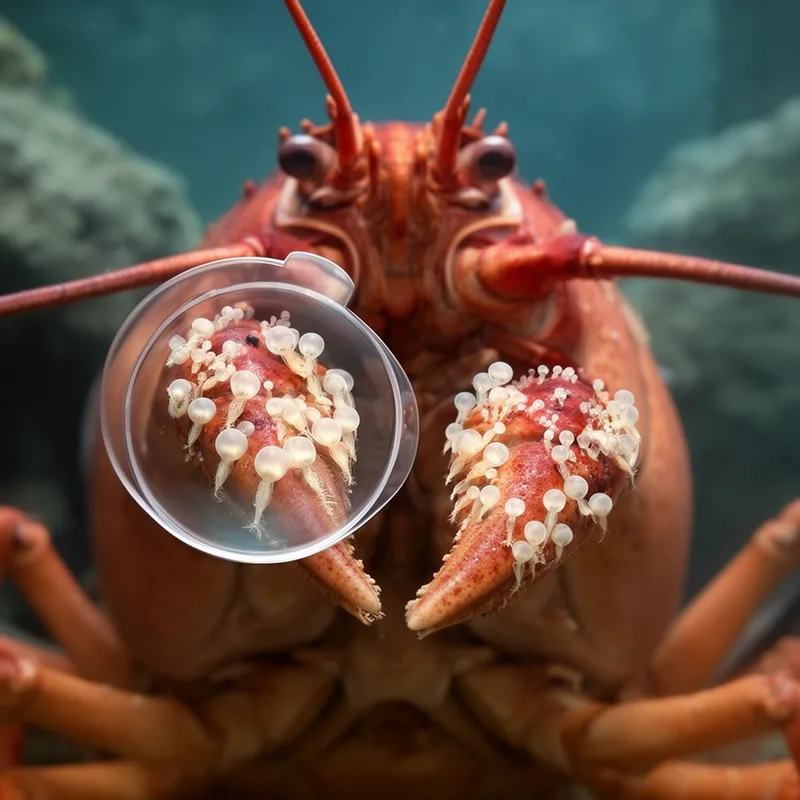
- Scientists discovered Cycliophora living exclusively on the mouthparts of certain lobster species.
Examples
-
Research on Cycliophora has helped clarify evolutionary relationships among marine invertebrates.
-
The unique characteristics of Cycliophora have intrigued marine biologists since their identification in the 1990s.
-
The Cycliophora are fascinating creatures that were first discovered in 1995.
-
Have you heard about Cycliophora living on lobster mouthparts?
-
Scientists discovered Cycliophora, a unique phylum, living symbiotically on the mouthparts of lobsters.
-
Research on Cycliophora has revealed how these tiny organisms interact with their lobster hosts.
-
The study of Cycliophora has opened up new insights into the biodiversity of marine ecosystems.
Surface Forms
Morphology
Cycliophora = cyclio + phora
The name is a scientific taxon formed from classical combining forms that are not productive standalone English morphemes, so an average learner cannot reliably derive the meaning from its parts.
Etymology
The word Cycliophora comes from Greek parts cyclio- meaning 'circle', like the English word cycle, and -phora meaning 'to carry' or 'bear'. So Cycliophora means 'circle-bearer', a fitting name for tiny animals with round parts that live on the mouthparts of lobsters.

