
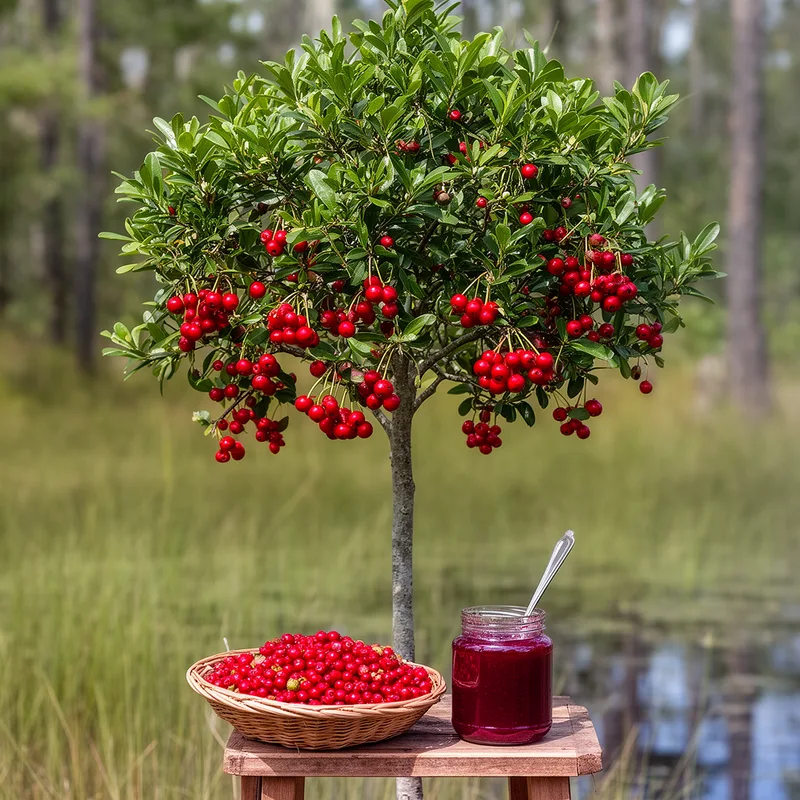
Crataegus aestivalis
- noun
- Specialized
- Many people collect the ripe, scarlet berries of Crataegus aestivalis to use in traditional jellies.
Examples
-
Native to the southern United States, Crataegus aestivalis thrives in wetlands and moist woodlands.
-
The fruit of Crataegus aestivalis is often made into delicious homemade jams.
-
The Crataegus aestivalis produces bright red berries.
-
Have you ever tasted Crataegus aestivalis jelly?
-
Many people collect the ripe, scarlet berries of Crataegus aestivalis to use in traditional jellies.
-
The fruit of Crataegus aestivalis is often made into delicious homemade jams.
-
Have you ever tasted Crataegus aestivalis jelly?
Synonyms
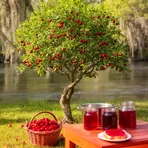
A small tree in the southern United States that makes red tart fruit used to make jelly

A tree that makes small red sour fruit used to make jelly
Surface Forms
Morphology
Crataegus + aestivalis
This is a Latin binomial: 'Crataegus' names the hawthorn genus and the epithet 'aestivalis' (Latin root meaning 'of summer') signals a particular species, so a learner who knows both parts and the convention of scientific names can infer it denotes a hawthorn species (roughly a 'summer' hawthorn). However, the full descriptive sense (juicy, acidic, scarlet fruit used in preserves) and the Latin epithet are not everyday English vocabulary, so the connection is only partially predictable for a B1 learner.
Etymology
Crataegus aestivalis comes from older plant words: Crataegus was a name for hawthorn and aestivalis is a Latin word meaning 'summer'. The name gives a simple image of a hawthorn that makes bright, acidic fruit in the summer, which is why this name fits the southern tree.

