
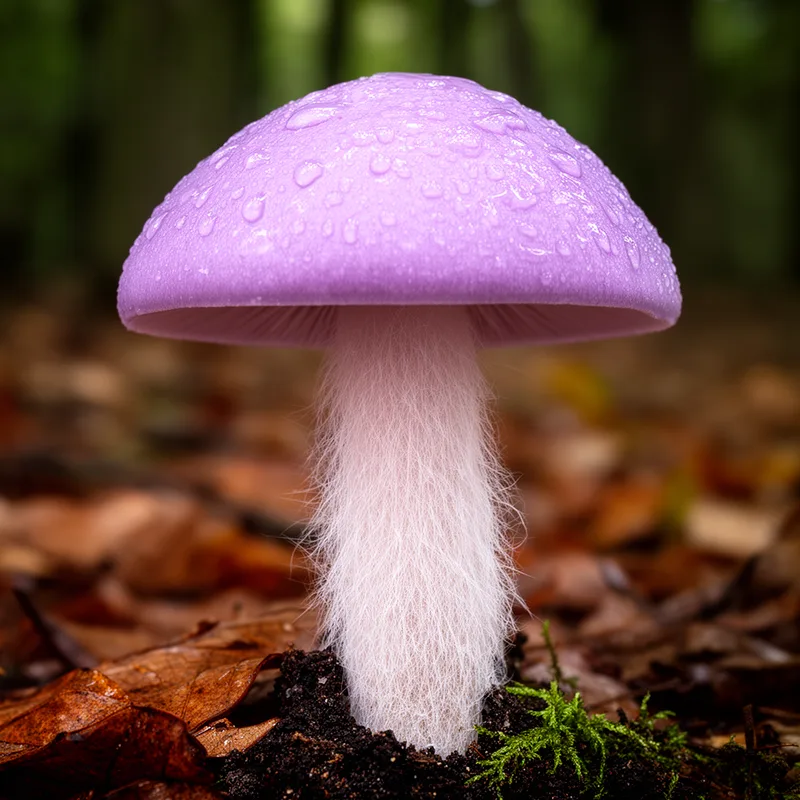
Cortinarius subfoetidus
- noun
- Specialized
- The mushroom Cortinarius subfoetidus can be identified by its sticky lavender cap and silky sheath.
Examples
-
The mushroom Cortinarius subfoetidus can be identified by its sticky lavender cap.
-
You should avoid eating wild fungi like Cortinarius subfoetidus unless you are certain of their identity.
-
Mycology enthusiasts often search for Cortinarius subfoetidus in damp forests during the fall.
-
The Cortinarius subfoetidus is known for its sticky lavender cap.
-
Have you ever seen a Cortinarius subfoetidus in the wild?
-
Mycology enthusiasts often search for Cortinarius subfoetidus in damp forests during the fall.
-
You should avoid eating wild fungi like Cortinarius subfoetidus unless you are certain of their identity.
Surface Forms
Morphology
Cortinarius + subfoetidus
This is a Latin binomial (scientific name) functioning as a label for a species rather than a compositional English phrase; knowing the genus name and a Latin-looking epithet does not let a B1 learner derive the descriptive meaning (sticky lavender cap, silky sheath). One constituent is not attested in the dictionary and the genus name is a technical taxonomic label, so the overall meaning is unpredictable from the parts for typical learners.
Etymology
Cortinarius subfoetidus comes from older Latin words that give a clear image. Cortinarius comes from 'curtain', for the thin silky veil that covers young caps, and subfoetidus means 'a little smelly', so the name tells you the mushroom has a web-like covering and a faint bad smell.

