
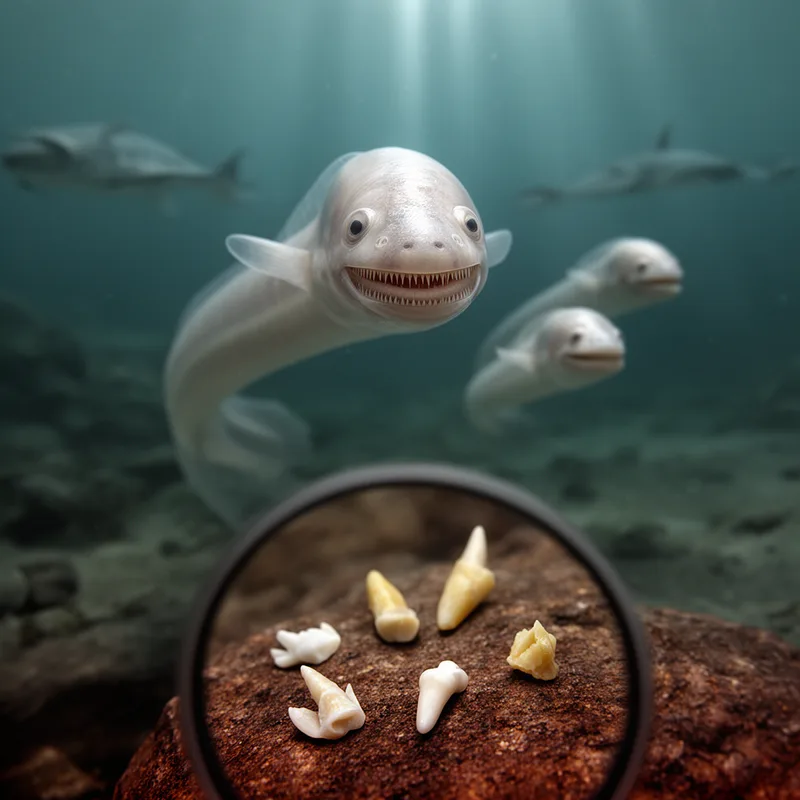
Conodontophorida
- noun
- /ˌkɒnəˌdɒnəˈfɔːrɪdə/
- Specialized
- The Conodontophorida are best known from their tiny, tooth-like elements found in Paleozoic rocks.
Examples
-
Paleontologists debate whether Conodontophorida should be classified as vertebrates or as a separate phylum.
-
Fossils attributed to Conodontophorida have provided key insights into early vertebrate evolution.
-
The Conodontophorida thrived during the Cambrian period.
-
Many fossils of Conodontophorida have been discovered in North America.
-
Fossils attributed to Conodontophorida have provided key insights into early vertebrate evolution.
-
Paleontologists debate whether Conodontophorida should be classified as vertebrates or as a separate phylum.
-
The Conodontophorida are best known from their tiny, tooth-like elements found in Paleozoic rocks.
Synonyms
A group of extinct jawless animals known from small tooth-like fossils
Compounds
- Specialized
A group of extinct jawless animals known from small tooth-like fossils
Surface Forms
Morphology
Etymology
The word Conodontophorida comes from parts that mean cono- 'cone', -odont- 'tooth', and phor- 'to carry'. So it is like 'cone-tooth carriers', which helps explain why this extinct group is known mainly from tiny cone-shaped, tooth-like fossils.

