
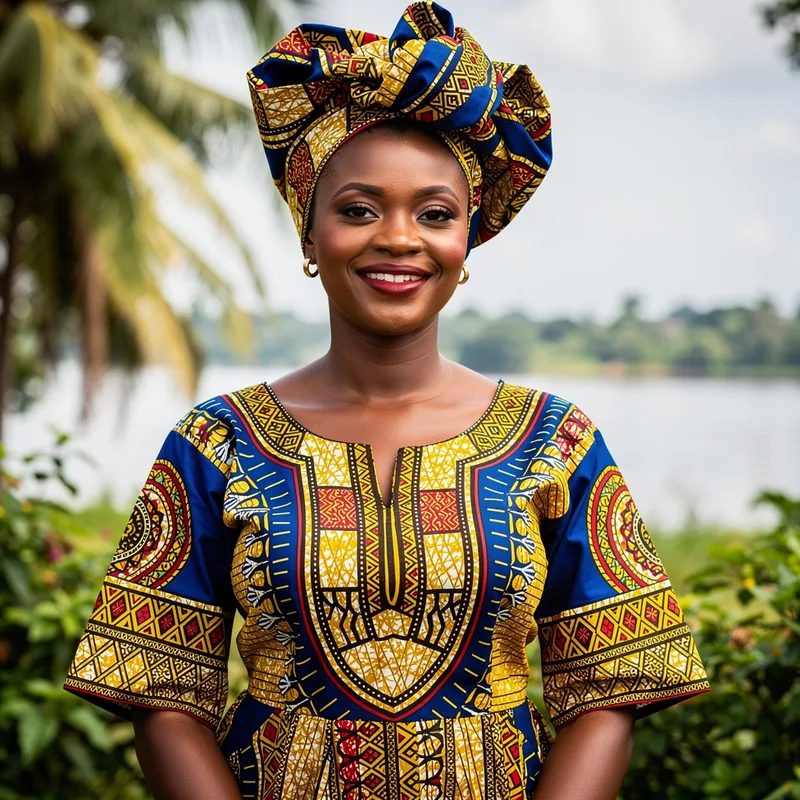
Congolese
 10
5.4

- adjective
- /kɒŋɡəˈliːz/
- In essence, the Congolese war has become economically beneficial for some strategically well-placed key actors.
- Congolese territory
- Congolese democracy
- Congolese government
Examples
-
Earlier attempts to classify undocumented Congolese art met with mixed results.
Academic text (2008) -
Many Congolese people celebrate their heritage through vibrant festivals.
-
To work for effective freedom of Congolese women and youth.
Academic text (1992) -
Mobutu described Congolese society when he captured power and his own role in this new political activity:
Academic text (1992) -
So the Congolese army is this unmanageable mess of a mutiny.
-
In short, the internationalization of the Congolese civil war had begun in earnest.
Academic text (2002) -
Finally, the international milieu was also unfavorable to the development of Congolese democracy until 1990.
Academic text (1994) -
Among the structural impediments to Congolese democracy are ethnic heterogeneity and a history of ethnic strife.
Academic text (1994) -
The Congolese culture is rich with diverse music and dance traditions.
-
She learned to speak the Congolese language during her travels in Africa.
Surface Forms
Morphology
Etymology
Congolese comes from the place name Congo, which itself comes from the Kongo people and the old kingdom in that area. The ending -ese, like in Chinese, turns a place name into 'from that place', so Congolese means 'relating to the Congo or its people'.