

Commodore Perry
 1
8.9

- proper noun
- /ˈkɒməˌdɔːr ˈpɛri/
- Commodore Perry achieved a decisive victory at the Battle of Lake Erie during the War of 1812.
Examples
-
Commodore Perry led the American fleet to victory in the Battle of Lake Erie during the War of 1812.
-
Schoolchildren learn about Commodore Perry and his famous message, 'We have met the enemy and they are ours.'
-
Many historians credit Commodore Perry with changing the course of naval warfare in North America.
-
Did Commodore Perry lead the American forces at Lake Erie?
-
In 1813, Commodore Perry became a national hero.
-
Commodore Perry is remembered for his leadership and bravery at the Battle of Lake Erie.
-
Commodore Perry's successful military strategies contributed significantly to the American victory in 1813.
Synonyms
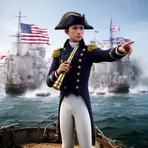

 1
8.4
A United States navy officer best known for leading the fleet that beat the British at Lake Erie during 1812
Surface Forms
Morphology
commodore + Perry
This is a straightforward title + proper name combination: a learner who knows 'commodore' (a naval officer) and recognises 'Perry' as a personal name will understand it refers to a naval officer called Perry. The phrase is referential, follows a common cross-linguistic pattern (rank + name), and does not require idiomatic or metaphorical interpretation, although specific historical details are not inferable from the phrase alone.
Etymology
Commodore Perry is the name of Oliver Hazard Perry, a 'United States' navy officer who led American ships to an important victory at the Battle of Lake Erie in the War of 1812. He is remembered for the short message 'We have met the enemy and they are ours.', so the name helps people remember his famous win.