
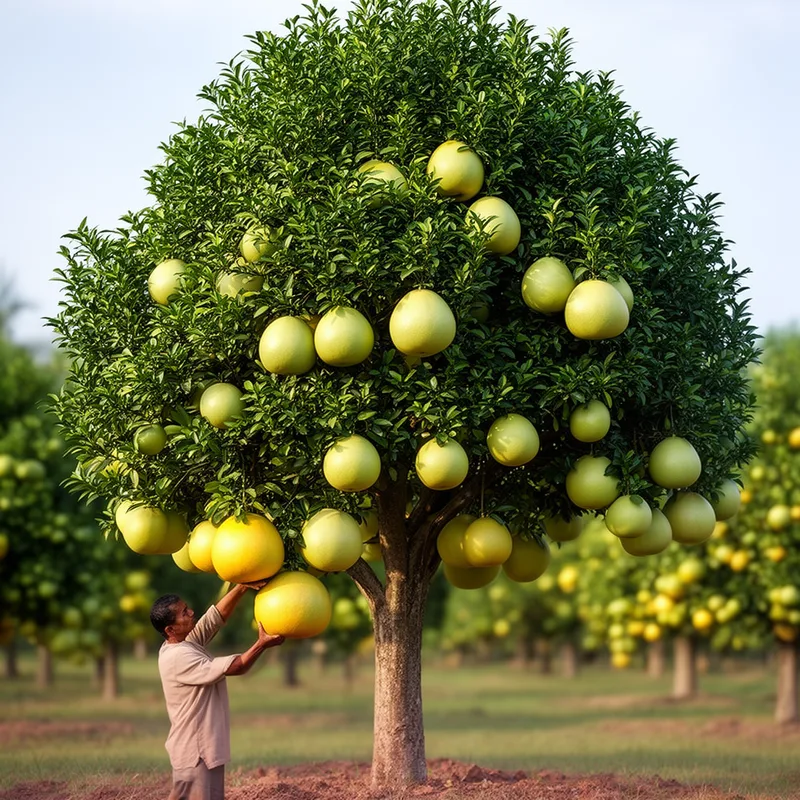
Citrus maxima
- noun
- Specialized
- Botanists classify the pomelo as Citrus maxima, distinguishing it from grapefruits and other citrus species.
Examples
-
The Citrus maxima is commonly grown throughout Southeast Asia for its sweet, juicy fruit.
-
Farmers cultivate Citrus maxima both for its fruit and ornamental value in tropical regions.
-
The Citrus maxima is known for its large, sweet fruits.
-
Did you know that Citrus maxima can grow up to 15 meters tall?
-
Farmers cultivate Citrus maxima for its large, sweet pomelo fruits in tropical regions.
-
In Southeast Asia, Citrus maxima, also known as pomelo, is popular for its juicy texture and flavor.
-
The Citrus maxima tree can reach impressive heights, making it a striking addition to any garden.
Synonyms

 1
7.4
1
7.4

A large fruit like a grapefruit with thick skin or the tree that grows it
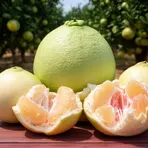
A large Asian fruit like a grapefruit with thick skin and sweet flesh

A tree that makes large, sweet fruits like a grapefruit

A Southeast Asian tree that grows large, thick-skinned fruits like a grapefruit

A Southeast Asian tree that makes large sweet fruits like a grapefruit

A large citrus tree or its big fruit similar to a grapefruit
Surface Forms
Morphology
Citrus + maxima
The binomial combines 'Citrus' (a genus of fruit trees) with the Latin epithet 'maxima' (meaning 'largest'), so a learner who knows both constituents can infer it denotes a very large citrus species (the pomelo). This follows a predictable noun + adjective pattern in scientific names, making the overall meaning compositional and derivable from the parts.
Etymology
Citrus maxima comes from Latin: Citrus for the citrus family and maxima meaning 'largest'. The name refers to the very large pomelo fruit this tree makes, so it helps you remember it is the biggest citrus.