
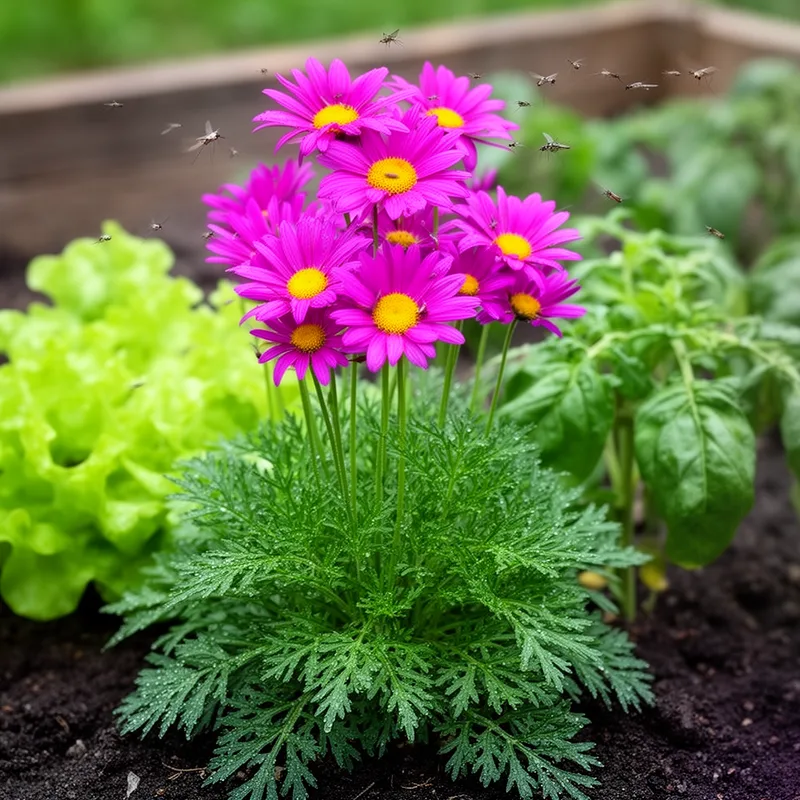
Chrysanthemum coccineum
- noun
- Specialized
- Some gardeners plant Chrysanthemum coccineum to naturally deter insect pests in their vegetable patches.
Examples
-
Pyrethrin is a well-known insecticide that is extracted from Chrysanthemum coccineum.
-
The Chrysanthemum coccineum adds vibrant color to spring gardens with its pink and purple blooms.
-
The Chrysanthemum coccineum blooms beautifully in the summer.
-
In my garden, I have several Chrysanthemum coccineums growing.
-
Some gardeners plant Chrysanthemum coccineum to naturally deter insect pests in their vegetable patches.
-
Pyrethrin is a well-known insecticide that is extracted from Chrysanthemum coccineum.
-
The Chrysanthemum coccineum adds vibrant color to spring gardens with its pink and purple blooms.
Synonyms

A garden plant from Asia with divided scented leaves and white, pink, or purple flowers that keeps insects away

A garden plant from Asia with divided scented leaves and pink or white daisy flowers that repel insects
Surface Forms
Morphology
chrysanthemum + coccineum
This is a Latin binomial (scientific) name: 'chrysanthemum' is an English plant name but 'coccineum' is not an English lexical item and is absent from the learner dictionary, so the overall meaning is a taxonomic label rather than a compositional phrase. A B1 learner who knows the common word 'chrysanthemum' but not the Latin epithet would not be able to derive the full botanical sense, and the construction does not follow ordinary English compositional patterns.
Etymology
Chrysanthemum coccineum gets its name from older words: chrysanthemum from Greek meaning 'gold' and 'flower', and coccineum from Latin meaning 'scarlet', a bright red color. So the name paints a picture of a bright, showy flower and helps you remember this garden plant with colorful blooms that can also help keep insects away.

