

Chinese silk plant
- noun
- The Chinese silk plant is valued for its strong, flax-like fibers used in textiles.
Examples
-
Farmers in tropical regions often grow the Chinese silk plant as an alternative fiber crop.
-
The Chinese silk plant thrives in humid climates.
-
Several Chinese silk plants were cultivated in the greenhouse for botanical research.
-
Many gardeners love the Chinese silk plant for its beauty.
-
Farmers in tropical regions often grow the Chinese silk plant as an alternative fiber crop.
-
The Chinese silk plant is valued for its strong, flax-like fibers used in textiles.
-
Several Chinese silk plants were cultivated in the greenhouse for botanical research.
Synonyms


 1
9.9
1
9.9
A tall Asian plant that produces strong silky fibers for making cloth

A tall plant grown for strong fiber used to make rope and cloth
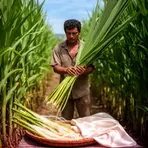
A tall tropical plant farmers grow for strong fiber in its stems to make cloth

A tall Asian plant with dark leaves that gives strong silky fiber for making cloth
Surface Forms
Morphology
The noun phrase is fully compositional: 'Chinese' marks origin, 'silk' specifies the notable fiber quality/material, and 'plant' denotes a living organism. A B1 learner who knows those words can readily infer this refers to a plant (from China) associated with silk-like fiber, and this origin+material+object pattern is cross-linguistically common.
Etymology
Chinese silk plant may come from the simple picture of a plant from China that gives long, shiny fibers like silk. So, the name now means a plant grown for 'strong, silk-like' fiber used to make cloth.