

Chinese chive
- noun
- /ˈtʃaɪniːz tʃaɪv/
- Have you ever tried Chinese chive soup?
Examples
-
Fresh Chinese chive is a key ingredient in many Asian dumplings and stir-fries.
-
I added Chinese chives to the stir-fry.
-
She added chopped Chinese chive to the omelette for extra flavor.
-
The market sells both regular chives and Chinese chive by the bunch.
-
Adding Chinese chives to your dish can enhance its flavor profile.
-
In many Asian cuisines, Chinese chives are used as a seasoning in soups and dumplings.
-
She topped the salad with fresh Chinese chives for an extra burst of flavor.
Synonyms

A herb with flat green leaves and small white flowers that people use in cooking for a mild garlic taste

A plant with flat leaves and a mild garlic taste used like chives in cooking
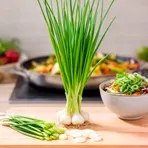
A plant from eastern Asia like a large chive grown for its leaves and bulbs used for food
Surface Forms
Morphology
The compound is a straightforward modifier + noun combination: 'Chinese' specifies origin/variety and 'chive' names the herb, so a learner who knows both words can infer it refers to a chive variety associated with China. This kind of descriptive noun phrase is cross-linguistically common and follows a regular compositional pattern, making the meaning immediately accessible to a B1 learner.
Etymology
Chinese chive gets its name from where it came from and how it looks: it is a flat, larger kind of chive first used in China and nearby countries. Because cooks used it like 'garlic' or 'onion' to add flavor, the name helps you remember it is the bigger, Asian chive used in many dishes today.

