
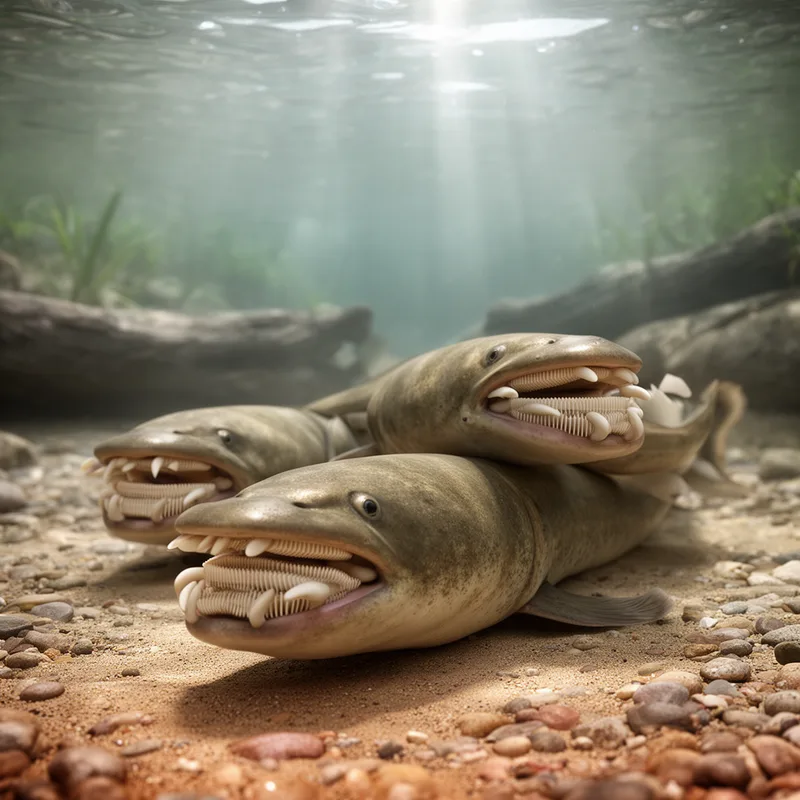
Ceratodontidae
- noun
- /ˌsɛrəˈtɒndɪˌdeɪ/
- Specialized
- The Ceratodontidae family includes both ancient and modern lungfishes.
Examples
-
Scientists studied the unique teeth structure of Ceratodontidae to better understand their evolutionary history.
-
The Ceratodontidae family is represented today by only a few living species in Australia.
-
Fossil records show that Ceratodontidae once had a much wider distribution.
-
Many species of Ceratodontidae are found in freshwater habitats.
-
Fossil records show that Ceratodontidae once had a much wider distribution in ancient freshwater environments.
-
Scientists carefully studied the unique teeth structure of Ceratodontidae to understand their adaptations in freshwater habitats.
-
Today, the Ceratodontidae family is represented by only a few living species, primarily located in freshwater regions of Australia.
Surface Forms
Morphology
Ceratodontidae = Ceratodus (opaque) = cerat + odont + idae
A technical taxonomic formation from Greek combining forms and the family suffix '-idae' is specialized and not transparently meaningful to general learners.
Etymology
Ceratodontidae comes from Greek parts cerato- 'horn', odont- 'tooth' as in orthodontist, a tooth doctor, and -idae 'family'. So the name means 'horn-toothed family', which fits these lungfish with hornlike ridges on their teeth.

