
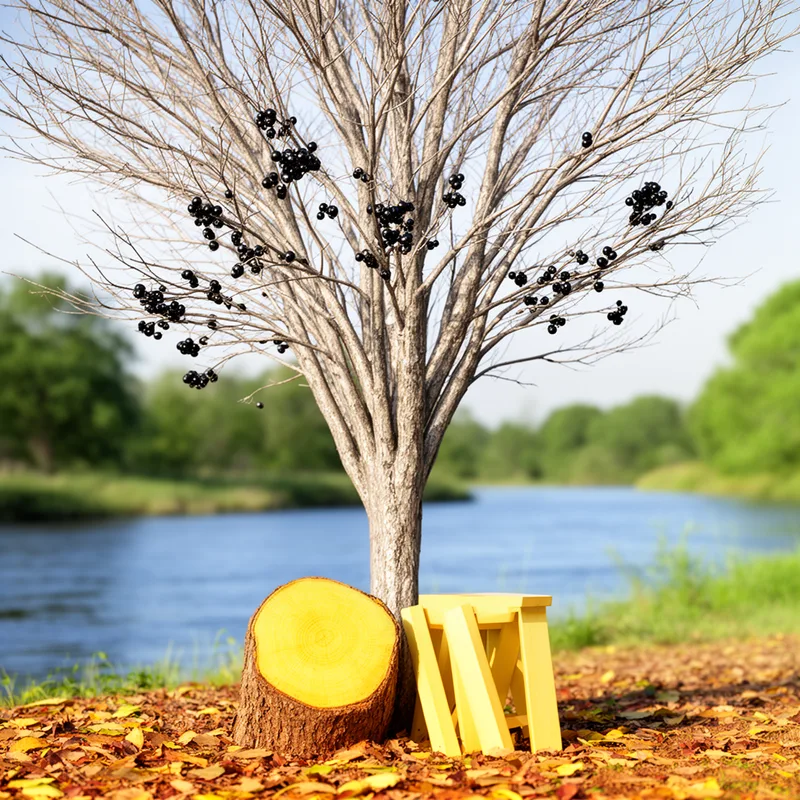
Celtis laevigata
- noun
- Specialized
- Wildlife such as birds feed on the small black berries produced by Celtis laevigata.
Examples
-
The Celtis laevigata thrives in moist soils along riverbanks in the southern United States.
-
Carpenters sometimes use the soft wood of the Celtis laevigata to make furniture.
-
The Celtis laevigata tree produces small black berries.
-
Many gardeners appreciate the Celtis laevigata for its shade.
-
Carpenters sometimes use the soft wood of the Celtis laevigata to make furniture.
-
The Celtis laevigata thrives in moist soils along riverbanks in the southern United States.
-
Wildlife such as birds feed on the small black berries produced by Celtis laevigata.
Synonyms
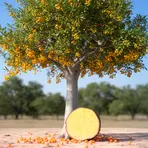
A tree in the southern United States that loses its leaves and has light yellow wood and small sweet berries
Surface Forms
Morphology
Celtis + laevigata
This is a Latin binomial: knowing 'Celtis' as a genus of trees would let a learner infer it denotes a type/species of Celtis, but the species epithet 'laevigata' is not transparently meaningful here (and is marked as not found), and the common name and regional details ('sugarberry', southern U.S.) are not derivable from the parts. Scientific names are cross-linguistically structured (genus + epithet), so there is partial compositional information but not the full, everyday meaning.
Etymology
Celtis laevigata comes from Latin names: Celtis was an old name for the hackberry tree and laevigata means 'smooth', which likely refers to its smoother bark or leaves. That's why this scientific name fits the sugarberry tree known for its soft wood and small black, sweet berries.

