
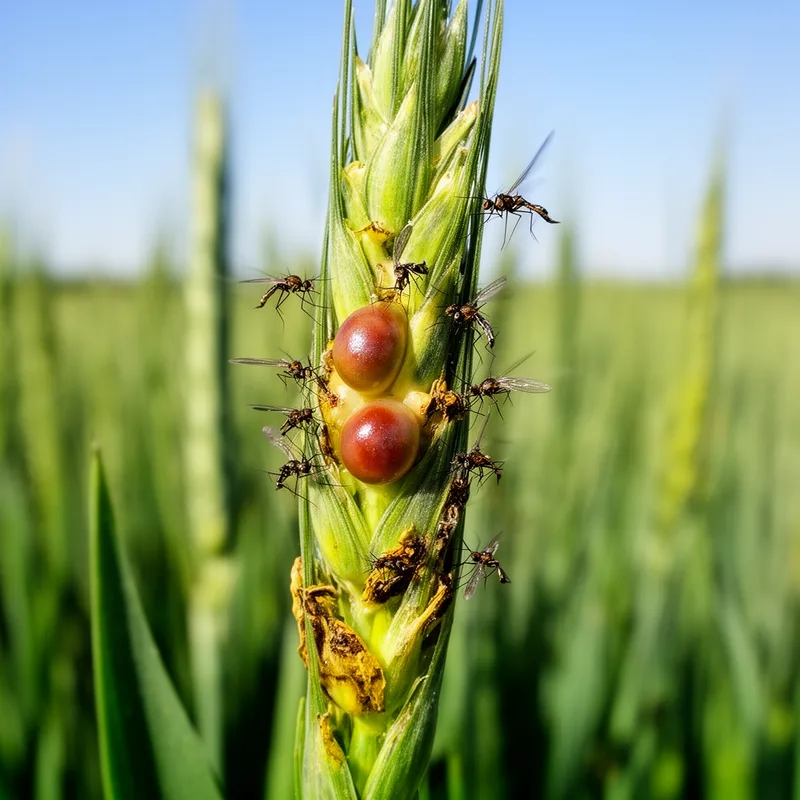
Cecidomyidae
- noun
- /sɪˌsɪdəˈmɪdiˌeɪ/
- Specialized
- Cecidomyidae are a family of small flies known for causing galls on various plants.
Examples
-
Cecidomyidae are a family of tiny flies that induce galls on plants.
-
Some species in the Cecidomyidae family can be serious agricultural pests.
-
Entomologists study Cecidomyidae to understand their impact on ecosystems.
-
Look at that Cecidomyidae hovering near the flowers!
-
Wow, a Cecidomyidae is flying!
-
The life cycle of Cecidomyidae involves the formation of unique galls on their host plants.
-
Farmers often monitor Cecidomyidae populations to prevent damage to crops.
Synonyms


 1
9.9
A small delicate fly whose young make small round bumps on plants
 1
9.9
An insect that lays eggs in plants and causes swellings called galls where young insects grow
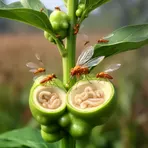
A group of small flies whose young make galls on plants

A small fly that makes bumps on plant leaves or stems
Compounds
Surface Forms
Morphology
Cecidomyidae = Cecidomyia (opaque) = Cecidomy + idae
The element '-idae' is a specialized taxonomic family suffix and the root is a scientific stem, so the formation is not interpretable by an average learner.
Etymology
Cecidomyidae comes from Greek parts: cecid- meaning 'gall', myia meaning 'fly', and the family ending -idae meaning 'family'. So the name literally says 'gall flies', which helps you remember these tiny flies because they make round lumps, or galls, on plants.