
Caryophyllidae
- noun
- Specialized
- Features such as trinucleate pollen were key in distinguishing Caryophyllidae from other plant groups.
Examples
-
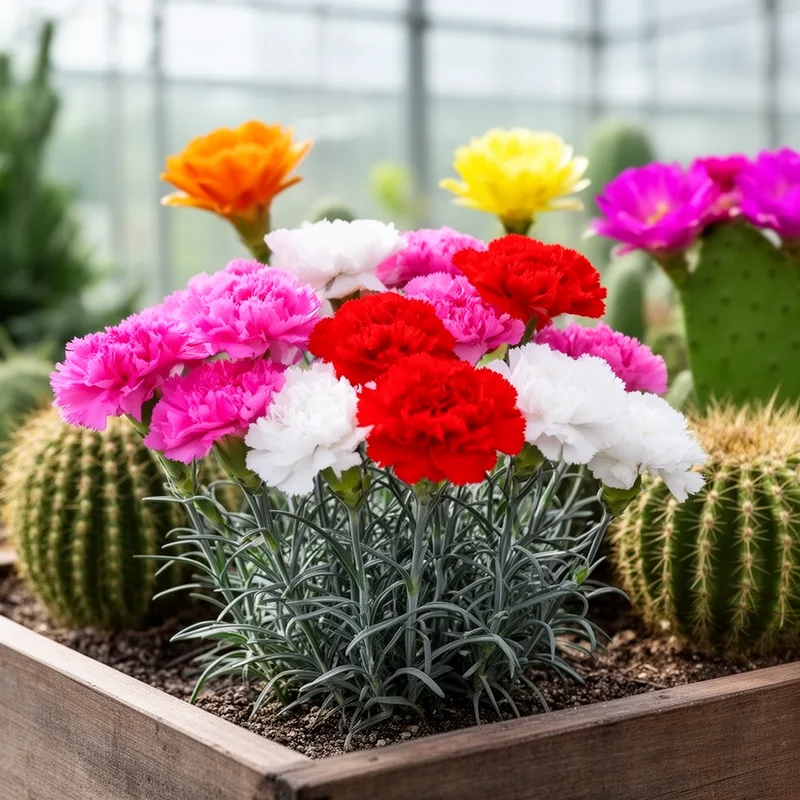
The Caryophyllidae were once classified as a major subgroup of flowering plants, including carnations and cacti.
-
Modern taxonomists often discuss the reclassification of Caryophyllidae within new molecular frameworks.
-
The Caryophyllidae subclass includes many unique flowering plants.
-
Did you know that Caryophyllidae has over 3,000 species?
-
The Caryophyllidae subclass is home to a variety of flowering plants, such as primroses and cacti.
-
Researchers study Caryophyllidae to better understand their unique characteristics like basal placentation.
-
Many popular garden flowers, including carnations, belong to the Caryophyllidae subclass.
Surface Forms
Morphology
Caryophyllidae = Caryophyllaceae (opaque) = Caryophyll + idae
Formed with a scientific combining stem and the taxonomic suffix '-idae', which is specialized and not inferable by an average B1 learner.
Etymology
Caryophyllidae comes from Greek parts karyo- ('nut') and -phyll ('leaf'), the same root you see in Caryophyllaceae, the carnation family. So Caryophyllidae is a name for a group of flowering plants, which helps you remember it because it includes familiar flowers like carnation and even cacti.

