
Caledonian
- adjective
- /ˌkælɪˈdoʊniən/
- Specialized
- Many fossils from the Caledonian orogeny have been discovered.
Examples
-
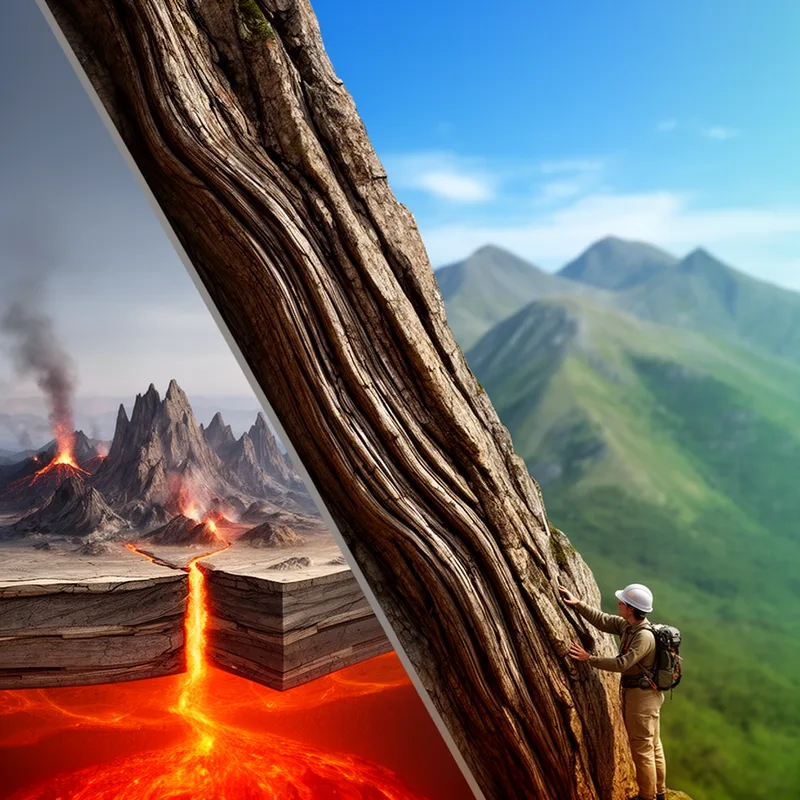
The Caledonian mountains stretch across parts of Scotland, Norway, and Ireland.
-
Many mineral deposits in Europe are associated with Caledonian geological activity.
-
Geologists studied the Caledonian rocks to understand the region's ancient tectonic history.
-
The Caledonian mountains are a stunning sight.
-
Geologists studied the Caledonian rocks to understand the region's ancient tectonic history.
-
Many mineral deposits in Europe are associated with Caledonian geological activity.
-
The Caledonian mountains stretch across parts of Scotland, Norway, and Ireland.
Compounds

A canal in northern Scotland that connects the North Sea and the Atlantic Ocean

- Australian
A very tall evergreen tree from New Caledonia that looks like a Norfolk Island pine

- Australian
A large evergreen tree from New Caledonia that is grown in Australia, New Zealand, and Hawaii
Surface Forms
Morphology
Etymology
Caledonian in geology takes its name from Caledonia, the Roman name for 'Scotland', because the ancient mountain events were first studied in that region. So Caledonian rocks or mountains are those formed in that old 'mountain-building' period across parts of Europe.

