
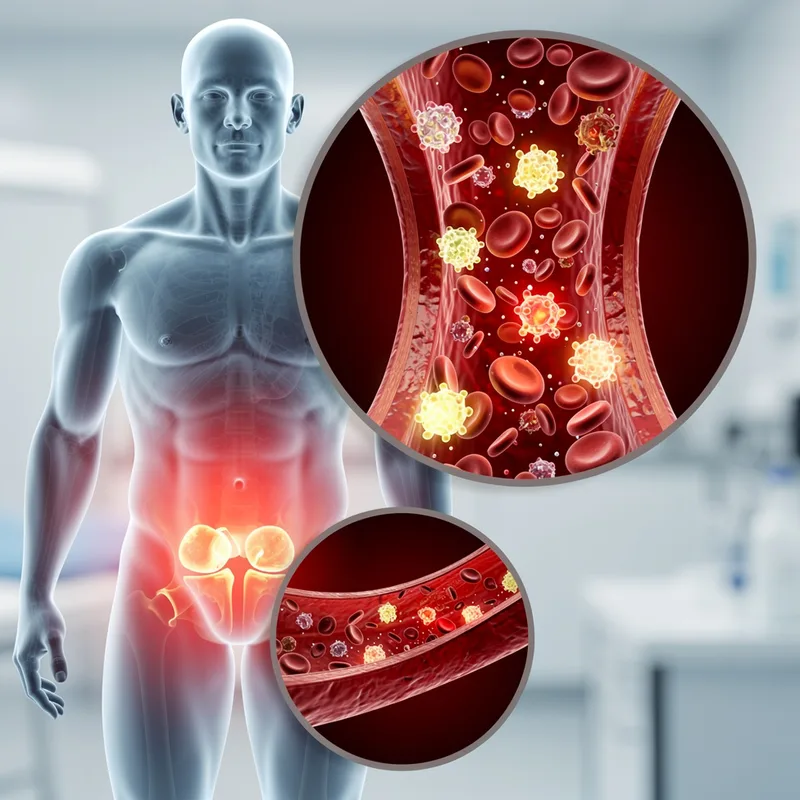
CRP
 4
4.4
4
4.4

- noun
- /siː ɑr pi/
- Specialized
- So the other inflammation marker that showed up was CRP, which is C reactive protein.
- C-reactive protein (CRP)
- CRP levels
- C-reactive proteins (CRP)
Loading YouTube…
Watch on YouTubeNext is an elevated CRP, which is AC reactive protein.
- Next is an elevated CRP, which is AC reactive protein.
- So the other inflammation marker that showed up was CRP, which is C reactive protein.
- And if your CRP is higher, you also have more female offspring.
Examples
-
Third, both elevated depressive symptoms and antidepressant use are associated with increased CRP levels.
Academic text (2013) -
Additionally, we could not track changes in CRP after baseline.
Academic text (2013) -
And both his CRP and homocysteine levels were high.
-
The normal range of CRP is 0-5 mg/l.
Academic text (2014) -
Studies in humans and other animals demonstrate a clear link between high levels of CRP, which is produced by the liver, and cardiomyopathy and other heart diseases.
Academic text (2007) -
Serum CRP was elevated to 108 mg/L.
Academic text (2015) -
Serum C-reactive protein (CRP) was elevated to 109 mg/L.
Academic text (2015) -
Blood tests are useful if infection, inflammation, or tumor are suspected (FBC, ESR, and CRP).
Academic text (2015) -
The erythrocyte sedimentation rate (ESR) and C-reactive protein (CRP), also known as acute phase reactants, can be used to detect inflammation.
Academic text (2014) -
The doctor can check your CRP levels to assess if there is inflammation in your body.
Synonyms

 1
4.3
1
4.3
A protein made by the liver that rises in the blood as a sign of infection or inflammation
Surface Forms
Etymology
CRP comes from C-reactive protein. The 'C' was the name of a bacterial substance it first 'reacted' with, and reactive means 'responding', so CRP is a protein that rises when the body has inflammation and is used by doctors as a sign of infection or injury.