
Brucella


 1
9.9
- noun
- /bruˈsɛlə/
- Specialized
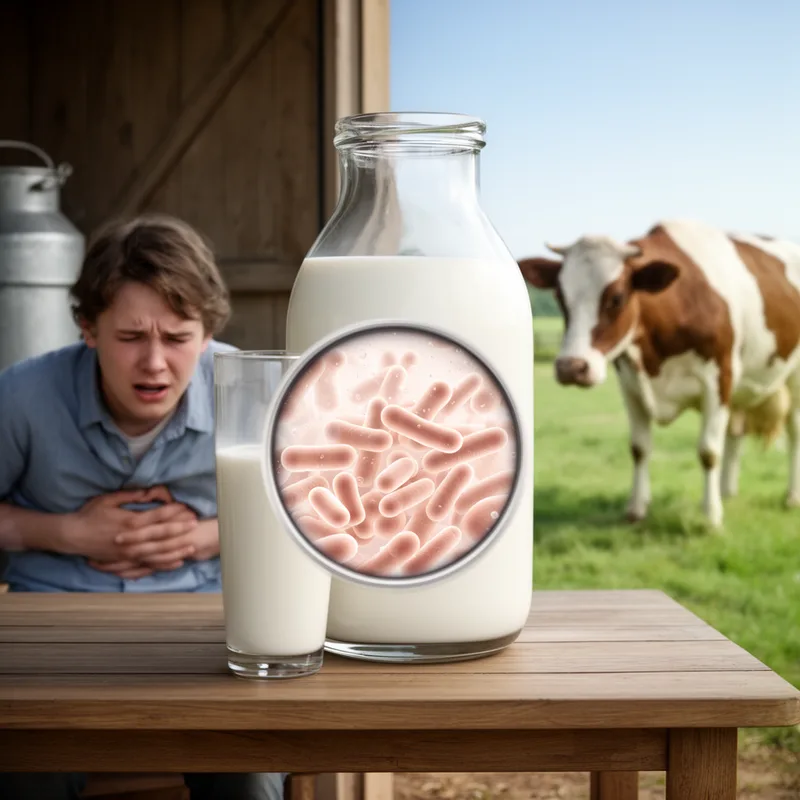
- The Brucella bacteria can cause brucellosis in both humans and animals, leading to serious health complications.
- Brucella abortus
- Brucella melitensis
- Brucella spp
Examples
-
ARS veterinarian Steven C. Olsen continues to explore the use of Brucella abortus strain RB51 in adult bison.
Academic text (2000) -
Research indicates that the most effective treatment for brucellosis involves addressing the specific strain of Brucella present.
-
It's because the most common vaccine, Strain 19, uses a live strain of the brucellosis bacterium, Brucella abortus.
Academic text (1995) -
Finally, we cannot reject the possibility of dealing with a Brucella strain that has evolved to become less deadly than a more lethal ancestor (6).
Academic text (2012) -
A critical reading of Oedipus Rex and a comparison with Thucydides' history, as well as a systematic review of historical data, strongly suggests that this epidemic was an actual event, possibly caused by Brucella abortus.
Academic text (2012) -
Cattle and ranched bison herds found infected with Brucella abortus due to transmission from elk, Greater Yellowstone Area, USA.
Academic text (2013) -
During this decade, surveillance activities and reports were issued on many other pathogens that could be foodborne (e.g., Shigella, Brucella, Trichinella, and hepatitis viruses).
Academic text (2002) -
She is adapting PCR to detect Brucella in soft cheeses, which would allow laboratory microbiologists to determine if a product had ever been exposed to the bacterium before going on the market.
Academic text (1996) -
Microbiologist Betsy J. Bricker has developed and patented a PCR method to detect the presence of Brucella species in cattle, including the organism responsible for brucellosis.
Academic text (1996) -
Veterinarians monitor livestock for signs of Brucella infections to prevent outbreaks of brucellosis on farms.
Surface Forms
Etymology
The word Brucella is named after the Scottish doctor Bruce, who first found these bacteria. The ending -ella comes from Latin and means 'small', so the name is like 'little Bruce' and is used for the group of bacteria that cause brucellosis.