
Bronze Age


 1
7.3
1
7.3
- noun
- /brɒnz eɪdʒ/
- Literature
- A telling example in this context is that the narrator describes the human population in the period 2521-3020 by referring to our distant past as "resembling the Bronze Age" (215).
Loading YouTube…
Watch on YouTubeI mean the, the, the religion of the, the sorry, the morals of the Old Testament are Bronze Age models morals.
- I mean the, the, the religion of the, the sorry, the morals of the Old Testament are Bronze Age models morals.
Examples
-
The thing is, the mythic symbolism of Bronze Age Europe was pretty strange.
Blog text (28) -
You know that there is no such thing as "god," right? It's just a superstitious myth created by Bronze Age sheep herders who were trying to explain the world around them.
Blog text (28) -
Was it the world that succeeded that Bronze Age that we call the Dark Ages?
-
I mean the, the, the religion of the, the sorry, the morals of the Old Testament are Bronze Age models morals.
-
We've all let relationships fray that we know shouldn't have by becoming slaves to our ancient reptilian brain or possessed by Bronze Age dogma.
-
Yes, things do look dire right now, but oh please—the idea that Bronze Age goatherds who didn't even know that the Earth goes around the sun could predict the future is absolutely ridiculous.
Blog text (28) -
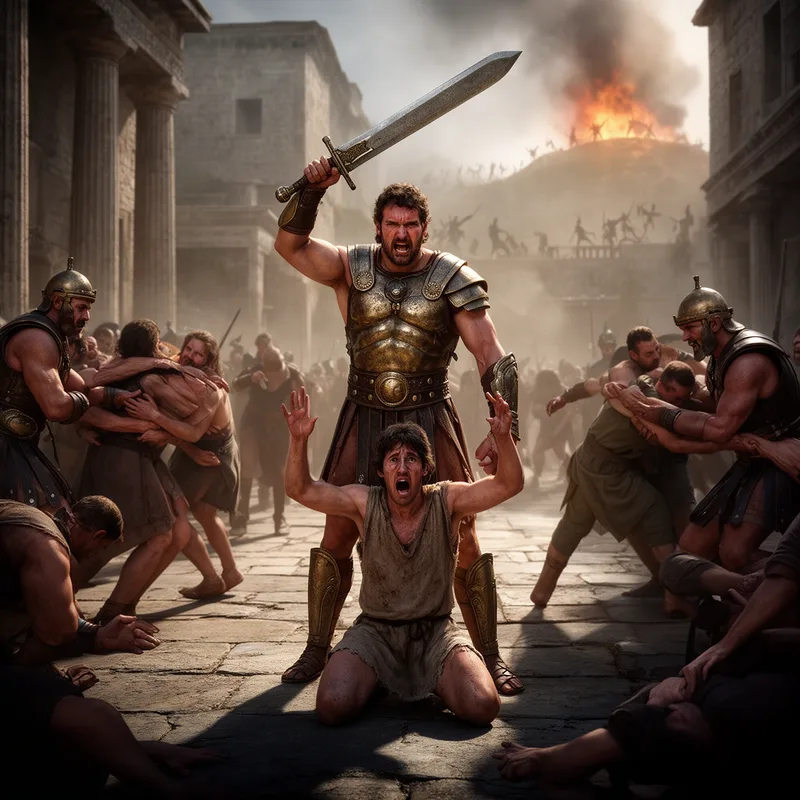
In classical mythology, the Bronze Age is often depicted as a time of war and moral decline.
-
The heroes of many ancient stories lived during the Bronze Age, a period marked by violence.
-
During the Bronze Age, societies faced numerous challenges that led to significant changes in their morals.
Surface Forms
Morphology
The meaning is directly compositional: 'bronze' (an alloy) + 'age' (a period) yields a historical period characterized by the use of bronze, so a B1 learner who knows both words can infer this. The same 'X Age' naming pattern (Stone Age, Iron Age) is cross-linguistically common, reinforcing its predictability.
Etymology
Bronze Age in old myths comes from the image of people who were hard and used bronze weapons; poets used this picture to show a time of war and bad behaviour, so in stories it means 'a violent, warlike time'.