
Bromus inermis
- noun
- Specialized
- Fields planted with Bromus inermis can withstand long periods of drought.
Examples
-
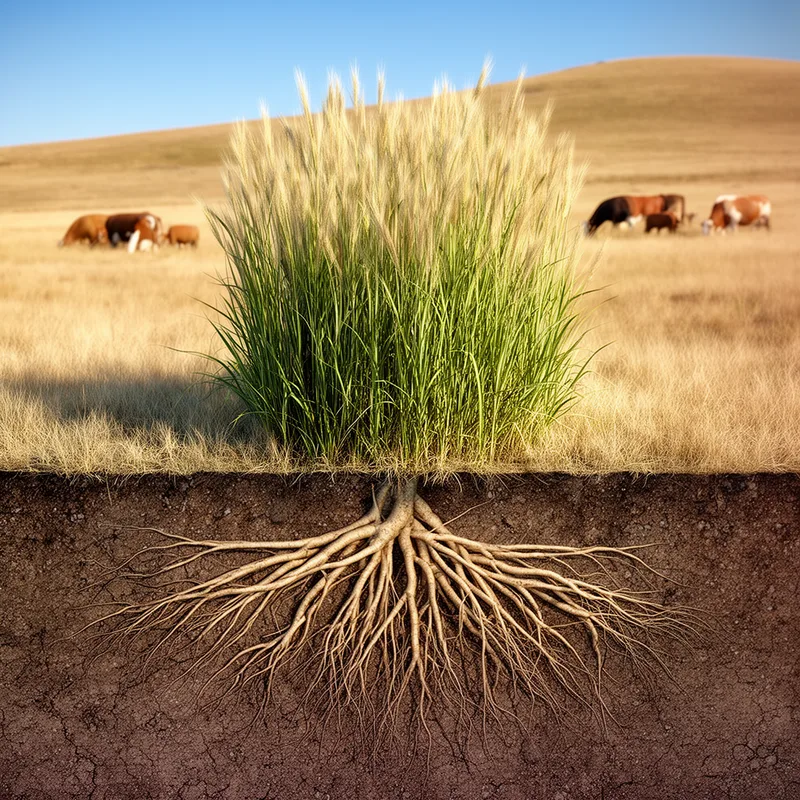
Bromus inermis is widely used for soil conservation and as forage for cattle.
-
Farmers often choose Bromus inermis for erosion control.
-
Researchers are studying the ecological impact of Bromus inermis in North American prairies.
-
The Bromus inermis thrives in dry conditions.
-
Bromus inermis is commonly recognized for its effectiveness in improving soil health and providing feed for livestock.
-
In regions with limited rainfall, Bromus inermis serves as a reliable source of forage due to its drought-resistant properties.
-
Bromus inermis helps prevent soil erosion, making it a popular choice among farmers for sustainable farming practices.
Synonyms

A grass that lives for years, has no long bristles on its seeds, spreads by underground stems, and tolerates drought
Surface Forms
Morphology
Bromus + inermis
This is a Latin binomial (scientific species) name and functions as a proper noun referring to a specific grass; its constituents are Latin/technical rather than everyday English words (and 'inermis' is not found in the learner dictionary). Even if a learner knew 'Bromus' as a grass genus, the adjectival form 'inermis' and the overall label 'Bromus inermis' will not transparently convey the common name or characteristics to an average B1 learner. Therefore the meaning is specialized and not derivable from the parts.
Etymology
Bromus inermis comes from two Latin words: Bromus for the brome grasses and inermis meaning 'without spines'. This is a handy memory hook because the grass really has very short or no sharp awns, so the name points to a smooth brome — a brome grass 'without spines'.

