

Britannia metal
- noun
- UK
- The cutlery was made of Britannia metal.
Examples
-
The teapot is made of Britannia metal, which has a lustrous finish.
-
Many collectors seek antique Britannia metals.
-
Collectors often seek out antique cutlery crafted from Britannia metal.
-
During the 19th century, Britannia metal became popular for affordable household items.
-
The polished pitcher is crafted from Britannia metal, giving it a beautiful, shiny finish.
-
She chose Britannia metal for her new cutlery set because of its durability and aesthetic appeal.
-
The antique shop displayed a collection of vases made from Britannia metal, showcasing their intricate designs.
Synonyms
 9
7.5
9
7.5

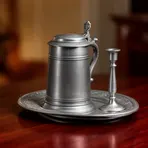
A gray metal made from tin mixed with other metals used for plates and decorations
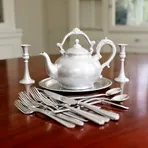
A white metal used to make household items and tableware

A silvery metal made from tin or lead used for bearings and moving machine parts
Surface Forms
Morphology
The headword contains the transparent element 'metal', so a B1 learner who knows that word will recognize this is a kind of metal; however 'Britannia' here is a conventional/trade name (a proper noun) that does not transparently indicate the alloy's composition or silvery, pewter-like properties. Because the compound partly signals category (a metal) but not the specific meaning (a tin‑based silvery alloy), it is best classified as semi-transparent.
Etymology
Britannia metal gets its name from Britannia, an old name for 'Britain', because this shiny, cheap metal mixture was made there so it would look like 'silver' for cups and teapots. That's why Britannia metal now means a silvery mixture of metals used for tableware and decorative items.