
Brachiosaurus


 1
7.7
1
7.7
- proper noun
- /ˌbrækiəˈsɔrəs/
- Specialized
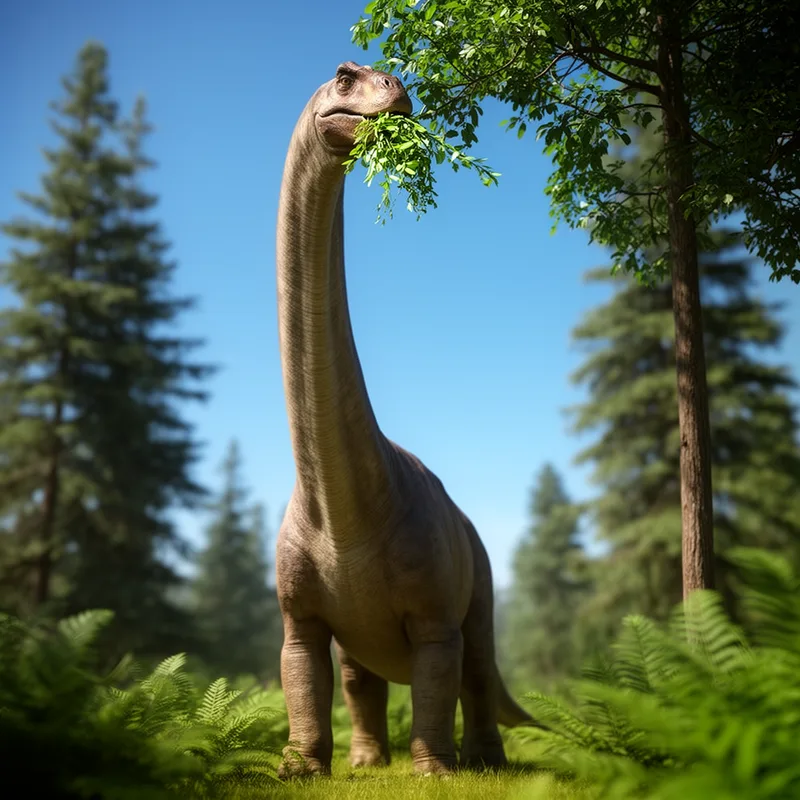
- Brachiosaurus was built like a giraffe and may have fed like one.
Examples
-
You said that you fed a Brachiosaurus some foliage, man.
-
ALAN: It's got a 25, 27-foot neck? - The Brachiosaurus?
-
Actually, Brachiosaurus was three times as large.
Fiction book (1990) -
I mean, Brachiosaurus.
-
And some people thought Ultrasaurus and Seismosaurus were even larger than Brachiosaurus.
Fiction book (1990) -
By the Late Jurassic, some animals reach record sizes, like the Brachiosaurus, over 100 feet long and can weigh more than six elephants.
-
Brachiosaurus (a well-identified species recognized for its large size, but new discoveries negated that claim, and we had to choose only one for our zoo for its size).
Blog text (2) -
The Brachiosaurus is famous for its long neck, which allowed it to reach high vegetation in the Jurassic forests.
-
Paleontologists believe that the Brachiosaurus could weigh as much as 62 tons, making it one of the largest dinosaurs ever.
-
Children are often fascinated by the Brachiosaurus, imagining how it would have roamed the earth millions of years ago.
Synonyms
 1
8.7
1
8.7
A large, long-necked plant-eating dinosaur from the Jurassic with longer front legs than back legs
Surface Forms
Morphology
Brachiosaurus = brachio + saurus
The name is a Latinized Greek compound made from combining forms unfamiliar to average learners and functions as a technical taxonomic name, so its meaning cannot be derived by typical English morphological rules.
Etymology
Brachiosaurus comes from Greek parts brachio- meaning 'arm' and -saurus meaning 'lizard', so the name is 'arm lizard'. It was named this because its front legs were very long, making it stand tall and reach leaves high in the trees, which fits its meaning as a large, long-necked plant-eating dinosaur.